By mid-1981 Infocom was preparing to release Zork II (they signed a contract in June) but Personal Software’s VisiCalc spreadsheet software hit such big sales that they decide to drop publishing games entirely. This led the founders of Infocom to decide to become their own publishers. By the end of the year they had released Zork II in time for Christmas.
The manual for Zork II gives credits to Marc Blank and Dave Lebling. It includes some of the material cut when Zork mainframe was ported to Zork I, but is still very much its own game, most notably for replacing the thief antagonist with the Wizard of Frobozz. From the back of the package:
EXPECT THE UNEXPECTED WHEN YOU TAKE ON ZORK II: THE WIZARD OF FROBOZZ.
As you explore the subterranean realm of Zork, you’ll continually be confronted with new surprises. Chief among these is the Wizard himself, who’ll constantly endeavor to confound you with his capricious powers. But more than that, you’ll face a challenge the likes of which you’ve never experienced before.
Inside the Barrow
You are inside an ancient barrow hidden deep within a dark forest. The barrow opens into a narrow tunnel at its southern end. You can see a faint glow at the far end.
A sword of Elvish workmanship is on the ground.
A strangely familiar brass lantern is lying on the ground.
I appreciate the “old friend” feel of having the lantern and sword awaiting.
Path Near Stream
The path follows the south edge of a deep ravine and heads northeast. A tunnel heads southwest, narrowing to a rather tight crawl. A faint whirring sound can be heard in that direction. On the east is a ruined archway choked with vegetation.
>sw
Carousel Room
You are in a large circular room whose high ceiling is lost in gloom. Eight identical passages leave the room.
A loud whirring sound comes from all around, and you feel sort of disoriented in here.
Here I reach my first quibble with Zork II compared to Zork I — I really dislike this room. Trying to leave sends the player in a random direction.
>e
You’re not sure which direction is which. This room is very disorienting.
Topiary
This is the southern end of a formal garden. Hedges hide the cavern walls and mosses provide dim illumination. Fantastically shaped hedges and bushes are arrayed with geometric precision. They have not recently been clipped, but you can discern creatures in the shapes of the bushes: There is a dragon, a unicorn, a great serpent, a huge misshapen dog, and several human figures. On the west side of the garden the path leads through a rose arbor into a tunnel.
The opening of Zork I had a wide airy space, the iconic house, a slow entry, and an intriguing mystery with the trap door being locked behind the player. The RNG spinner here is essentially the first element of Zork II, and I don’t think I’m too fussy in saying it’s less compelling.
Still, I remember Zork II being fine otherwise, but it’s been a long time since I’ve played, and while no doubt some puzzle solutions are identical to Zork mainframe (which I do mostly remember thanks to me writing about it) I’m likely in for some surprises.
Micro-80 was a magazine published in Australia (from Goodwood, a suburb of Adelaide) starting in December 1979.
The System 80 and Video Genie mentioned on the cover are both TRS-80 clones.
Each issue endeavored to give source code for a selection of programs that would work on 4K and 16K models. The April 1981 issue (cover above) had an adventure game by Graeme Moad titled either Adventure in Murkle or An Adventure in Level I depending on where in the magazine you looked; I went with the more distinctive title. (It’s hard to find and I originally thought I was going to have to type it in, but this collection from New Zealand has it.)
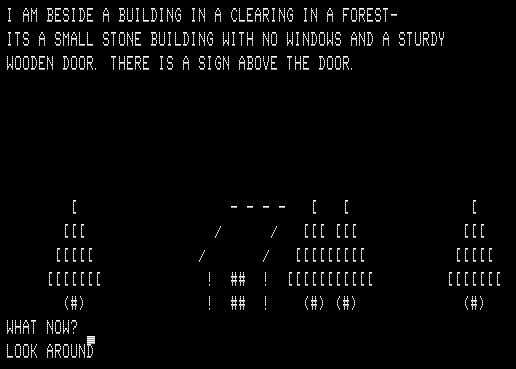
I’ve discussed games with low memory requirements before — Haunted House was in 4K by being split into two parts — but we never had one that entirely fit in 4K. So I was very, very surprised upon booting the game up to find not only is an adventure that fits in 4K, it’s a graphical adventure that fits in 4K.
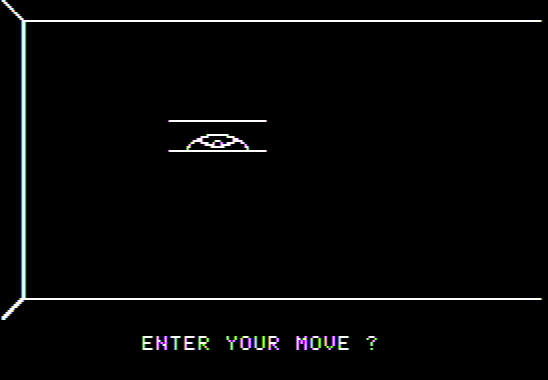
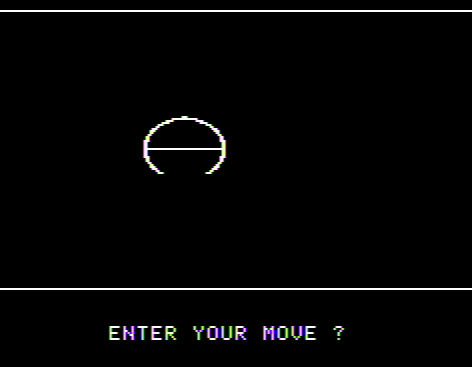
Now, you might quibble that the animation above and screen below don’t represent “graphics” — it’s just drawing things with ASCII characters — but I wouldn’t call it just “text” either.
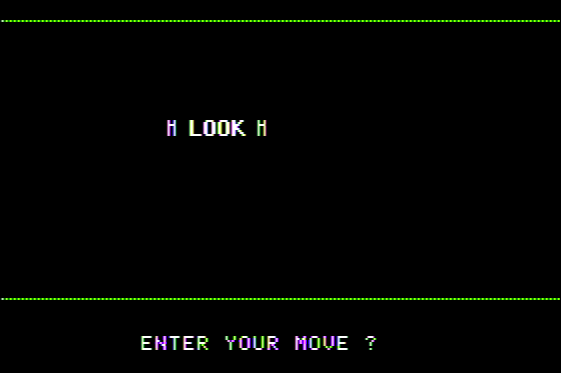
In order to fit, the game simply jettisons the parser. All commands are given via numbers. 0 = HELP, 1 = NORTH, 2 = SOUTH, 3 = EAST, 4 = WEST, 5 = LOOK, 6 = OPEN, 7 = GRAB, 8 = READ, and finally 9 = DIG. (I think the commands may have been intended to be displayed on the bottom but I was having an emulator error; in my play experience I could see them by just hitting ENTER but only temporarily.)
Now, having said all that, this is neither long nor a shining hidden gem of a lost game, but again, we’re working with 4K here. It’s essentially just a maze.
I initially didn’t quite understand it was a standard maze — the trees are randomly placed in each forest room, so my early attempts to draw where they landed were stymied and I assumed I was supposed to navigate somewhat at random.
Picking action #8 (READ) reveals that the sign says “DANGER — DO NOT OPEN DOOR.”
After about half an hour of flailing I buckled down and mapped the thing, albeit having to use “reference directions”; for example, once I found a particular place where going west led to the building shown above, I assumed if I encountered a room where going west led to the building that I was dealing with the same room.
As small as it looks, this was quite a difficult map to make, and I had to check the source code after I was done to make sure I was accurate.
After realizing I likely had the full map, I tested LOOK around until I found a shovel.
Then tried the shovel in every room I could find
then took the key back to the building with the “Do Not Open” sign. Upon opening it, the game said
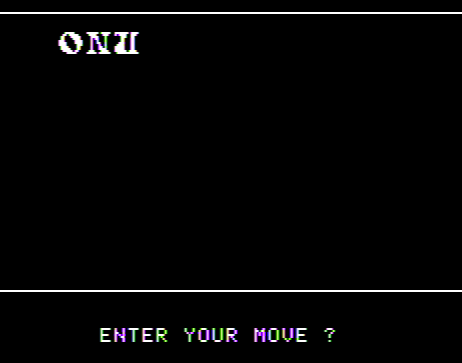
OH NO, IT’S THE HOOGLY!
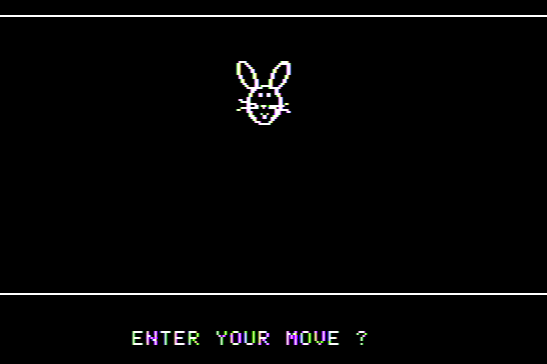
and ended with this screen:
And … that’s it! That’s the only ending. Did we just die? Mission: Asteroid kind of had a bad ending but it was only an unintentional coding error, here it’s clearly quite intentional.
This could potentially be the first “forced bad ending” adventure. I think given this was essentially just a trifle, the author didn’t feel obliged to clarify further. It reminds me of how Nellan is Thirsty had the first mini-map because it was written for children and the author didn’t feel obliged to force navigational difficulty; in this case, there’s so little room for plot the author just made do with what he could fit and perhaps accidentally innovated in the process.
The game had two clever moments left before the ending.
Both moments felt simultaneously like advances in storytelling and steps back in game design. The game design issue has an easy fix, but it’s something that hadn’t been invented yet when this game was written.
I haven’t been able to find any physical copies of Flagstone, but here’s their logo as printed on The Gambler (a poker game they later published). From sairuk on Twitter.
Last time I predicted I was stuck on what was intended as “easy” puzzles; this was mostly correct. I mostly wasn’t applying MOVE to enough things.
Either here…
>MOVE COBWEBS
O.K.
There’s writing on the wall behind the cobwebs.
It says: “The second is 8”.
…or moving a bed, finding a can opener…
>MOVE BED
O.K.
I see something.
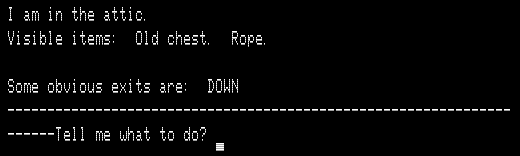
…or moving a chest, finding a rope.
The other thing I missed was I only slept in bed once; I generally was dying before reaching the third day, or resetting and consolidating my previous actions. Eventually, I did finally get round to a second sleep, where I had a dream informing me to leave the wine bottle in the study overnight.
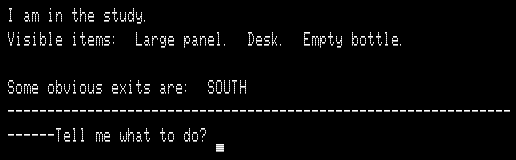
Doing so led to an empty bottle as shown above, but no other apparent effect. Finally, I realized that PRESS PANEL (which previously didn’t work) now had an effect; a secret panel opened to a new area.
I think the intent is that the ghost of Arthur Flagstone (who you’ll meet in a moment) came up to drink the wine, somehow unlocking the panel in the process. I’m not that entirely makes sense plot-wise because the ghost is also the one who kills you if you sleep without locking your door (and you hear chains clanking the first night, so you know he’s out there). If I stretch hard enough I could imagine the ghost accidentally triggering something while they’re indulging their post-death affection for alcohol.
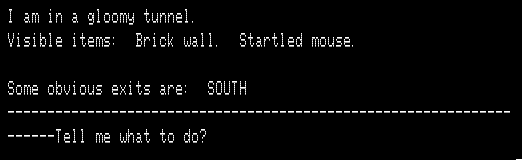
>FEED MOUSE
O.K.
The mouse grabs the cheese
and disappears into a small hole.
I hear a click.
The wall moves aside.
Here’s the aforementioned ghost. The combination lock puts together information found throughout the Manor:
“The first is 3” from a paper hidden in a painting
“The second is 8” from cobwebs
“The third is 7” from a book
You need to have eaten some garlic before approaching the door. Otherwise, the ghost kills you for trying to enter (there’s a hint in a diary that Flagstone hates garlic breath).
Past the ghost is the only treasure of the game.
If you try to take the gold bars out, the ghost goes into overdrive.
The ghost, outraged at seeing me with his gold,
overcomes his dislike of garlic… and THROTTLES me!
This moment is what I meant about an advance in storytelling being accompanied by a step back in gameplay.
The idea of the ghost being so protective of his wealth even after death was oddly human; that it was accompanied by a previous puzzle solution being ignored made it more powerful.
In a gameplay sense, this was a cheap shot; the game gives the impression the player is protected, when suddenly they aren’t — but I don’t think this event would be as effective any other way. A more modern “rewind to the previous mistake” (either automatic or with an UNDO command) would dance around the problem neatly, but that particular innovation wasn’t invented yet (except for maybe in Hezarin).
Speaking of cheap shots, here’s what happens if you try to PULL RING:
A large stone crashes from the roof… and CLOBBERS me!
Ow. But! … this is again a clever moment of plot, because the right solution is to tie a rope, step outside the room (requiring leaving the gold bars, temporarily) and pull the rope. This breaks the roof which turns out the be the flagstone from the very first room of the game.
This is what the flagstone looks like at the very start. I thought at the time perhaps it was meant as just an atmospheric red herring.
This sort of return-in-importance is especially rare for the TRS-80 games of the time; I can’t think of another example offhand.
The Secret of Flagstone Manor was a strong start for a prolific adventure-writer. I’m looking forward to trying more of the Brian J. Betts library, but we have to wait until 1982 before we reach any.
In the meantime, let’s investigate another candidate for First Australian Commercial Text Adventure Game, one I thought was going to be mundane but ended up shocking me.
Brian J. Betts is most famous for a series of C64 games with distinctive character graphics published by his one-man outfit Mountain Valley Software (based in Victoria, Australia), but he started in 1981 with a bog-standard TRS-80 game.
Given the weirdness of what I’ve played lately, I could use some bog-standard. This does have the possible distinction of being the first commercial text adventure from Australia, with the caveat there is at least one other candidate from 1981 we will get to (similar to how Planet of Death might be the first commercial text adventure from the UK).
The parser is in a Scott Adams style, up to the point I suspect the author was referring to the original source code.
The death screen, for instance, is identical.
Upon entering the manor, you find a suit of armor with an axe. This is what happens when you TAKE AXE.
(EDIT: I previously asserted the likelihood Betts in part rewrote his BASIC from Scott Adams code since the “look” is very similar. Now that I finished the game and studied further I’d say Betts cloned based on looks but not on code; Adventureland in BASIC, for instance, uses DATA statements for nearly everything, whereas the Flagstone code uses a lot of one-off PRINT statements. See the comments on my other Flagstone post for more detail.)
The primary design inspiration seems to be The Count.
Now, I’m not just meaning this game is in the Spooky House family, but there’s a day-night cycle. It’s isn’t too long in when darkness starts falling. I originally thought this was a tight time limit (if darkness falls, the axe fellow mentioned earlier chops you up), but the intent is for you to find the bed and SLEEP which causes time to move on to the next day. (If nothing else, it’s good for atmosphere; if you forget to lock the door behind you when going to bed, someone strangles you in the night!)
There’s also no treasures so far. I don’t have whatever instructions the game came with so I don’t know what the goal really is, but since I’ve found lots of items but no *TREASURES* I suspect the objective is to defeat a spooky enemy of some sort.
The gameplay mostly consists of finding secrets.
There’s a library, with a lamp you can TURN causing the bookcase to move, revealing a “Hidden Cellar” with a skeleton and some garlic. The library also has a book on Ghost Stories with the note “the third is 7”.
There’s a lounge with fireplace and firewood and lighting the fire (with matches from another room) reveals a “Hidden Room” with cobwebs and a ladder.
There’s a dining room with a “small panel” where PRESS PANEL reveals some keys. The keys let you in two locked doors (including the previously mentioned bedroom).
There’s a “portrait of old Arthur Flagstone” where “The eyes are watching me.” Finding a KNIFE in a nearby clock and using CUT PAINTING causes a scream, revealing a piece of paper which says “the first is 3”.
There’s a study with a DESK that has an ASHTRAY and a LARGE PANEL. I suspect the LARGE PANEL can open just like the smaller one did because there’s a custom “How?” message when I try to OPEN PANEL, but this is one place I’m stuck.
Notice the “It’s getting dark.” messages. That means I need to head up to the bedroom soon if I want to live.
The only other lingering puzzle I have is a CAN I can’t open. I get the intuition this is supposed to be an “easy game” yet I’m stuck just as much as I would be on a hard game. It doesn’t help there’s likely a secret passage I haven’t unlocked yet but I have no idea where it is (that is, I’m missing a so-called “secret puzzle” which I’ve written about before).
There’s a point I’ve made before, but is doubly relevant for treasure hunt puzzles, so it’s worth repeating with a different example.
Suppose I wanted to give a message to decrypt.
DDZRQDK DGS ZLKRKZ
You might try approaching as a straight cryptogram and realize (even with a search program) that it doesn’t correspond to anything. You might try anagramming letters and get nowhere.
The correct approach is to try both. First, shift every letter forward one step in the alphabet…
EEASREL EHT AMLSLA
…then anagram the result.
RELEASE THE LLAMAS
I can see from the perspective of an author how they might consider this “simple”. One-step Caesar ciphers, no problem! Anagrams, sure! But when combined together, they form a second-order puzzle where two entirely different steps are needed with no confirmation between the two that one is on the right track. Both cryptograms and anagrams might be “easy” puzzles, but they can become vastly harder to solve when combined together because they are only two forms of wordplay out of an immense variety. (This particular puzzle is borderline fair in that when eyeballing the alphabet shift it looks close enough to English that the anagram seems natural.)
With most treasure hunts I’ve seen there is a strong and almost necessary temptation to have second-order, third-order, or ludicrous-order puzzles. If a treasure hunt is well designed there will be “confirmers” along the way, other clues that help let the player know they’re on the right track.
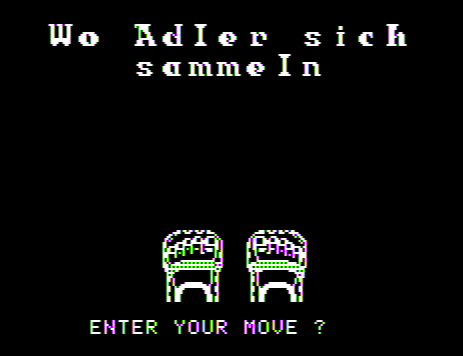
This raises the question: is Alkemstone well-designed in that sense? I don’t know yet. I do know it likely suffers a related problem common for treasure hunts — spurious solutions. The wide-open unmoored nature of the puzzles — a bunch of clues with no given categories — lends itself to multiple plausible ways to interpret clues.
Another made-up example: suppose I gave the phrase
Absent Tithed Hue
You might find the combination of words strange, and do an anagram…
Thine Debate Thus
…and maybe think it was indicating the site of a famous debate. Or maybe it is
Beneath Hides Tut
indicating an Egyptology theme, or
Behind The Statue
with a more literal location.
The only “solution” so far that I’m safe in saying is a slam dunk involves two new clues (I posted them early in the comments of a thread).
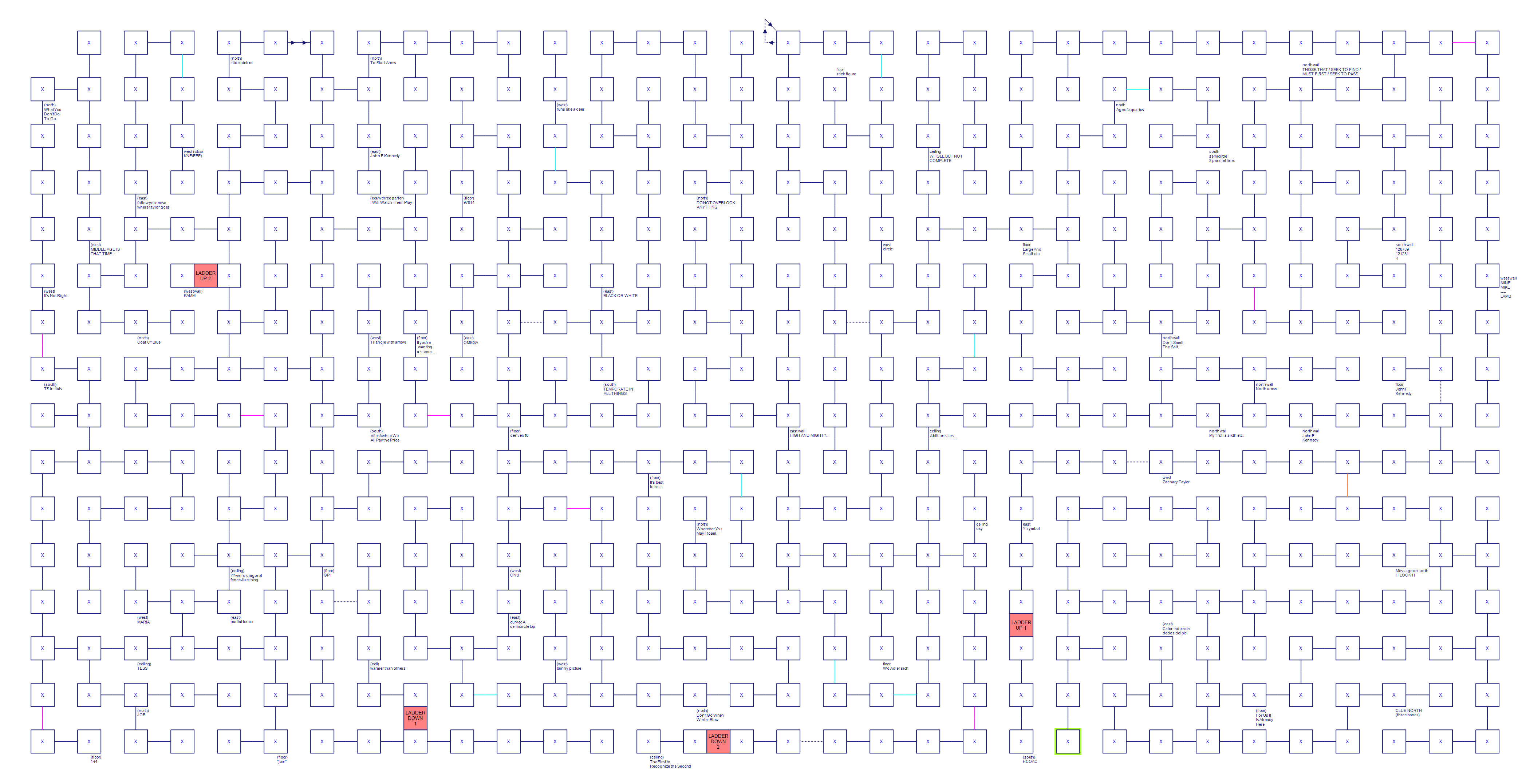
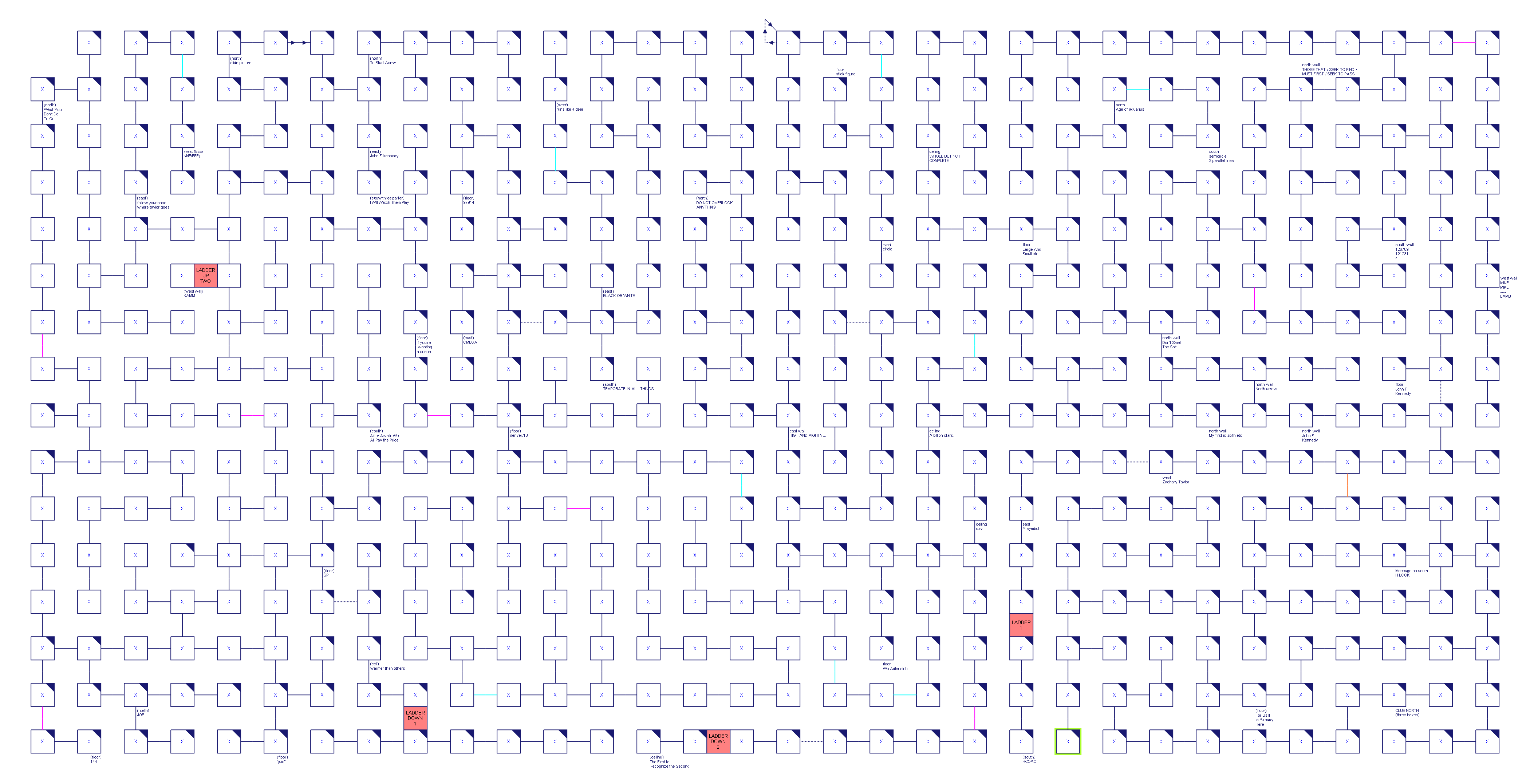
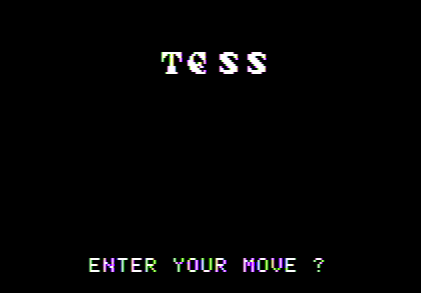
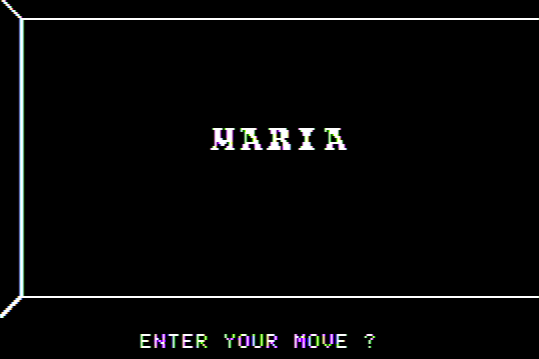
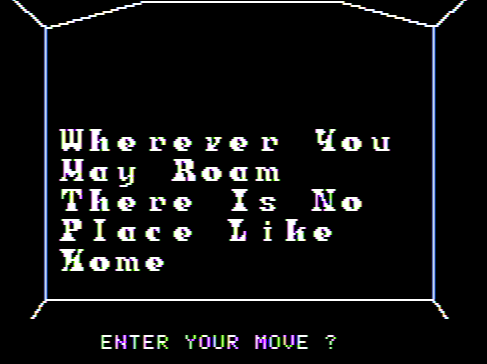
Roger Durrant pointed out that both names appear in the song They Call the Wind Maria from the musical Paint Your Wagon.
A way out here they got a name for rain and wind and fire the rain is Tess the fire’s Joe and they call the wind Maria
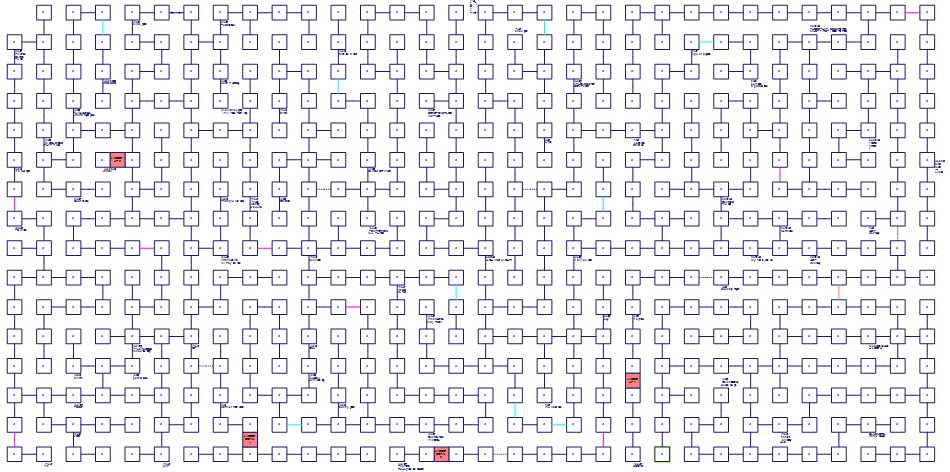
Both rooms are immediately adjacent to each other on the overall map.
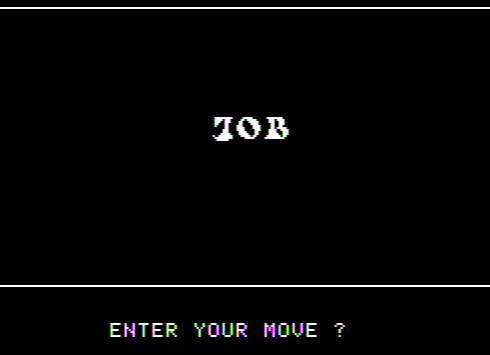
Also adjacent to TESS and MARIA is a room with the word JOB, which suggests the author misspelled the actual song word (which apparently is either JO or JOE based on where you get the lyrics from).
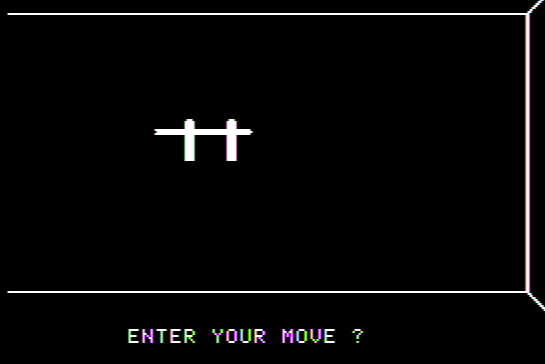
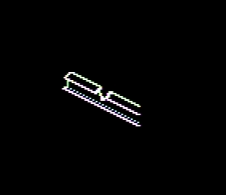
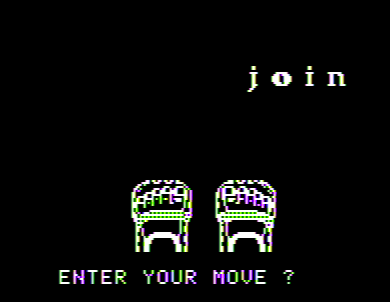
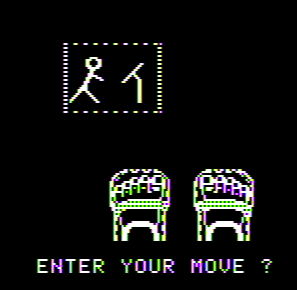
These two pictures are also placed close (although not immediately adjacent).
I’m extremely curious about the second, which looks like it’s a close-up of … something? It incidentally was very hard to get a screenshot of; when it appeared during the game it only came up very briefly, and I had to resort to using recording software and then pause the video I made on the exact right frame.
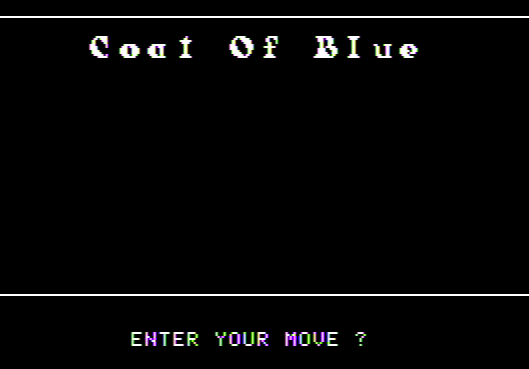
Speaking of songs, Matt W. noted the clue above suggests the song Faded Coat of Blue, a song by J.H. McNaughton associated with the Union side of the American Civil War.
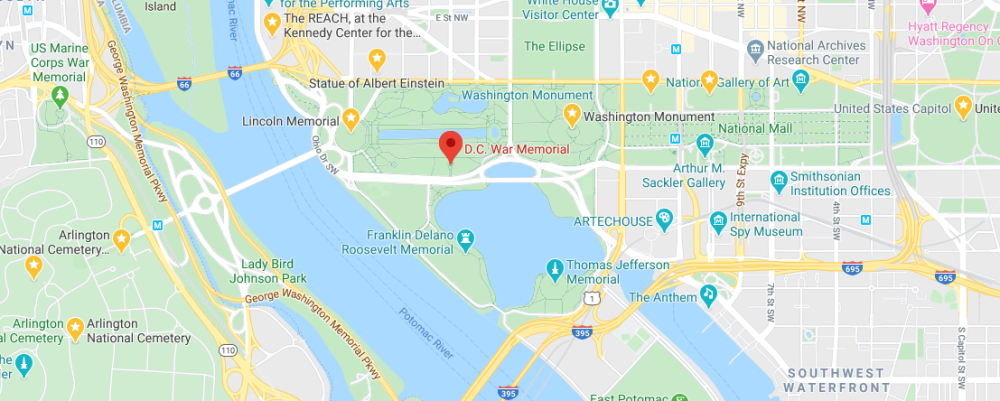
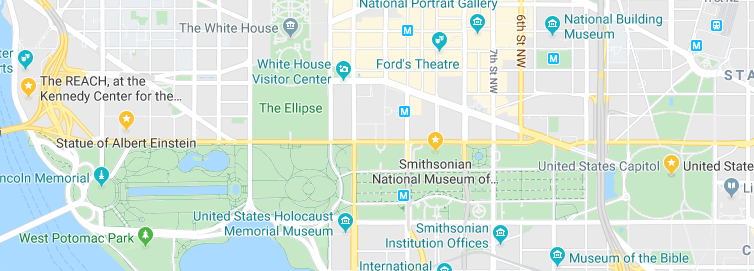
Sticking with finding Washington, D.C. spots, that definitely suggests Arlington Cemetary which is quite close to everything else. Let me also add marks for the Smithsonian National Museum of American History, possibly referencing the ruby slippers from Wizard of Oz (which have been there since 1979)…
I finally found this one in-game (I previously only had the Mobygames screenshot). I still never found the -ION clue anywhere. My theory regarding the gap in the upper left corner of the overall map is that all other clues need to be found first before it opens, although it could just be a bug.
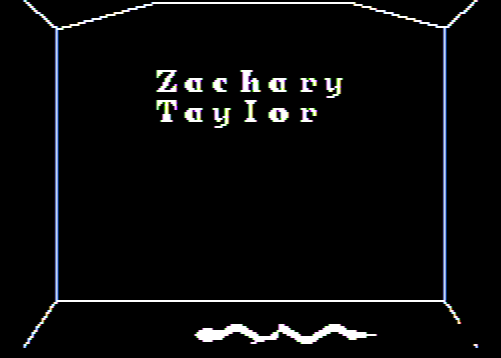
…the Washington Monument, associated with the death of Zachary Taylor, and the Lincoln Memorial, where Martin Luther King Jr. made his famous I Have a Dream speech. (Both of these were clues from previous posts.)
I’m finally going to put in the D.C. War Memorial for long-shot reasons, but I do have some logic to it.
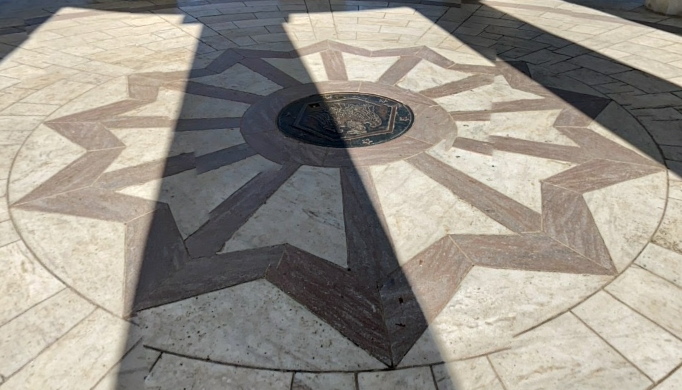
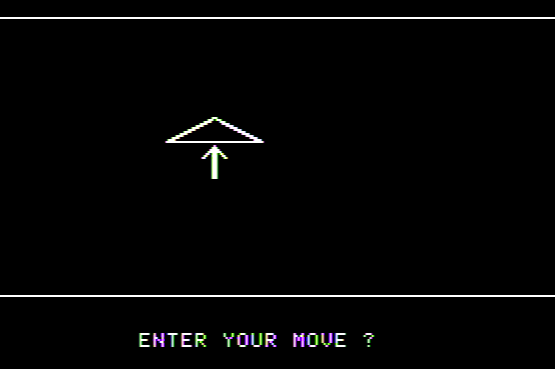
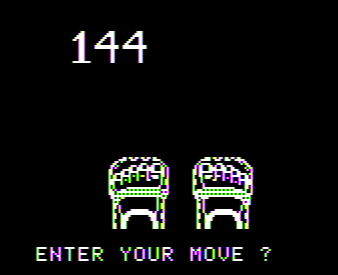
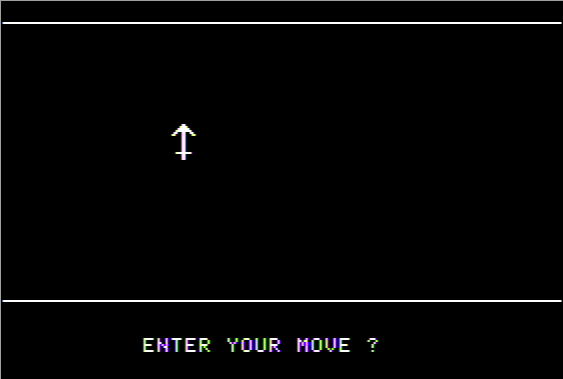
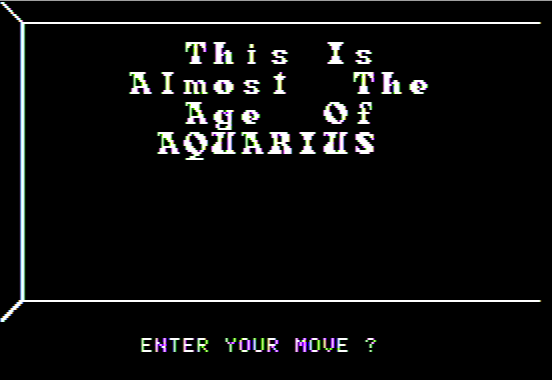
There’s a “144” clue which possibly references the fact that with 12 zodiac signs you can pair them with another 12 to get 144 angles. There’s also one direct zodiac reference (“this is almost the age of AQUARIUS”) and one actual sign (Sagittarius, but drawn so the arrow points upright). The War Memorial has a domed building with a 12-direction arrow directly on the floor.
I found this by hunting around for domes in DC, based on this clue from an earlier post.
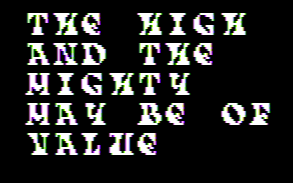
There’s also this clue which faintly suggests looking between columns.
We’ve also had month and seasonal references to go along with the Zodiac ones.
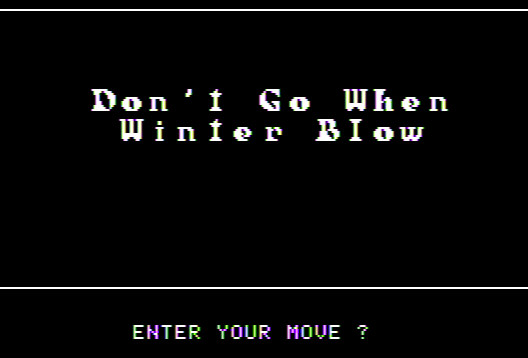
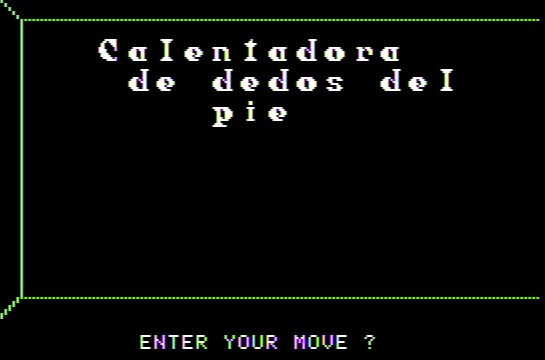
“Toe warmers”, probably just meant to reference winter again.
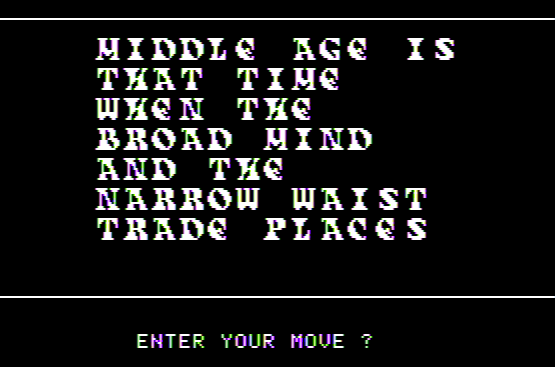
Maybe T.S. Eliot, “April is the cruelest month.”
Without any kind of confirming puzzle, I still feel like I’m chasing shadows. It’s possible all of this is a coincidence, especially since I can’t fit the Paint Your Wagon reference at all, nor a riddle solution Jake Wildstrom came up with.
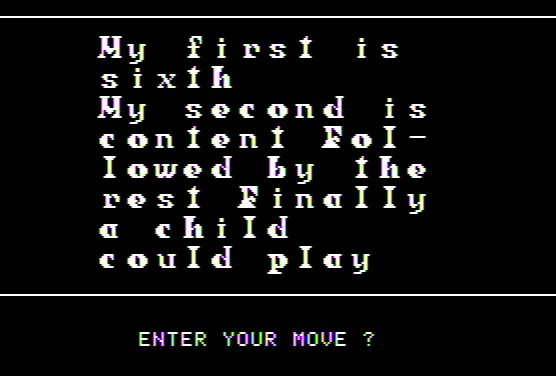
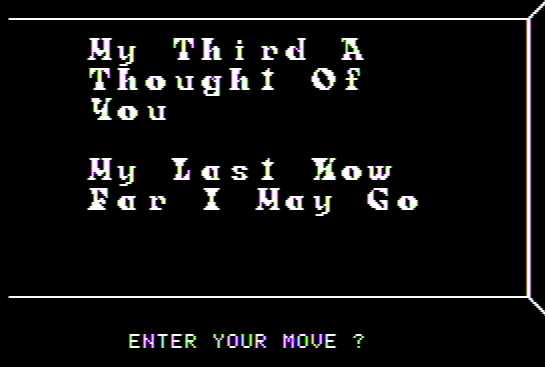
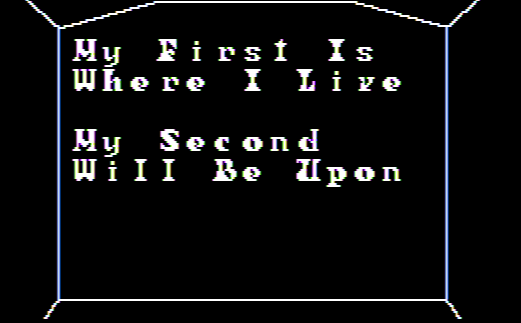
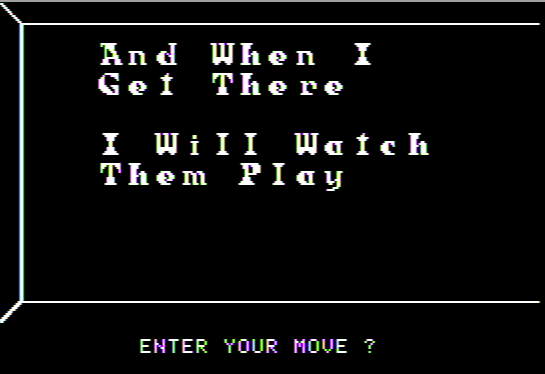
My First Is Where I Live
My Second Will Be Upon
My Third A Thought Of You
My Last How Far I May Go
And When I Get There
I Will Watch Them Play
The first two on the “three linked clues” you give feels a lot like it’s cluing to “Home on the Range” (so “them” would be deer and antelope, I suppose). “Home” is “Where I Live”, of course. “On” is another word for “Upon”. “Range” is (in the sense of a travel range) indeed “How Far I May Go”. I have no idea how “A Thought of You” would become “The”, but a clue for a definite article might be opaque in ways I don’t understand (is “You” somehow connected to the letter “U”, and some sort of character-level transformation from “A Thought of” gets us to the three letters “the”? This is mostly trying to back-solve a justification because the other three clues really fit the answer well).
Matt W. followed up with noting “you” could be “thee”.
I’m tentative about this one, just because it originally suggested to me the categories clues could fall in (that the D.C. references were all My First Is Where I Live, the number-type references might be How Far I May Go, etc.) but a traditional riddle is quite possible, and of course Home on the Range goes together nicely with the Paint Your Wagon reference.
Three more new clues to round things off…
…and then let me state that I’m going to delve back into traditional adventures now, and only give the occasional Alkemstone update. I (and hopefully others) will still be active in the comments, so the search for the Alkemstone continues.
One open question I’d really like resolved is the meaning behind this clue:
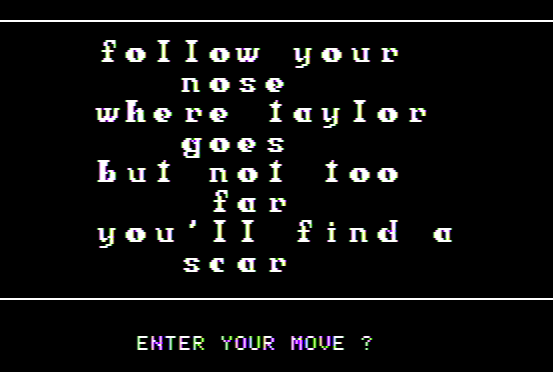
It has had no comments but I think it might be a straight self-contained riddle? I’m pretty bad at riddles, so I don’t know.
I’m slowing down a little on finding clues just because being thorough is incredibly tedious. My procedure when checking a particular room is to
a.) look at each wall and pause for about five seconds, then repeat 3 or 4 or 5 times
b.) look at the ceiling and slowly turn three full circles, pausing about 4 seconds each step
c.) repeat with the floor
and even then I have come near to missing things.
Let me bring out two theories posited in the comments last time:
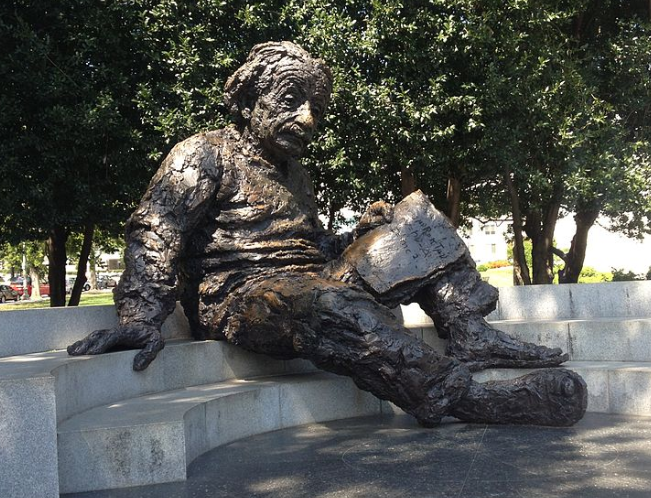
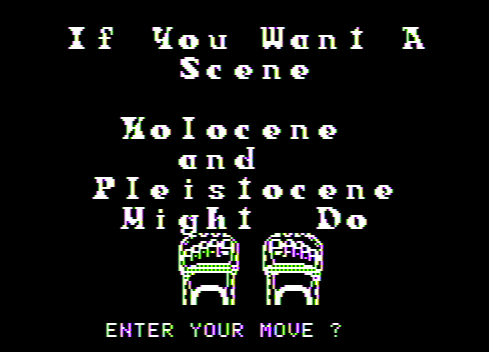
1. Continuing from the idea that “Albert” is the Albert Einstein statue in Washington, D.C. (it was unveiled only two years before the game was made; the timely connection makes it more rather than less likely) I noted two JFK-associated locations and the natural history museum (there’s a reference to the Pleistocene).
These nearly form a line, especially because the JFK center extends south a little from where Google has marked it. Still easily could be a coincidence, but given the repeated JFK references and the mention of Zachary Taylor I’d say the chances this is the area we want are at least over 50%.
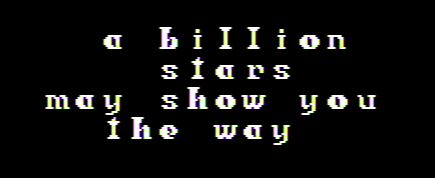
2. I need to explore this more, but note one of the clues read “144”. There are 144 angles across the sky that can be found by combining two astrological symbols, and there are two specific symbols mentioned (Sagittarius as the symbol itself, Aquarius in words) in addition to a reference to “billions of stars may show you the way”. This is combined with multiple temperature references (like “Warmer Than Others”) to suggest that we *don’t* want to use the dead of winter (since Zodiac signs represent both a time of year and an angle).
I haven’t sat down and fully worked out how this would play out on the map, though, so if anyone wants to go wild in the comments, feel free.
Here are the clues I’ve found since last time.
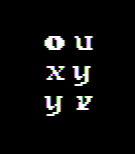
I am suspecting the assorted word fragments need to be joined and anagrammed. This was used at the start of Kaves of Karkhan, Level-10’s previous game.
You may wonder why the color is different here. This is from the opening area, a 6 by 10 rectangle on the lower-right corner of my map. Everywhere else has the white walls.
Are these signed initials?
Sometime next week I am going to get back to playing regular adventure games and intersperse these posts. I’d like to finish at least one thorough pass through Arkemstone looking for clues, first.
You might notice there’s the missing room in the upper left. I haven’t figured out what’s going on there yet. There is one clue right on the wall next to it
which may have been intentionally placed; perhaps there’s some obscure navigation trick I need to get into that spot.
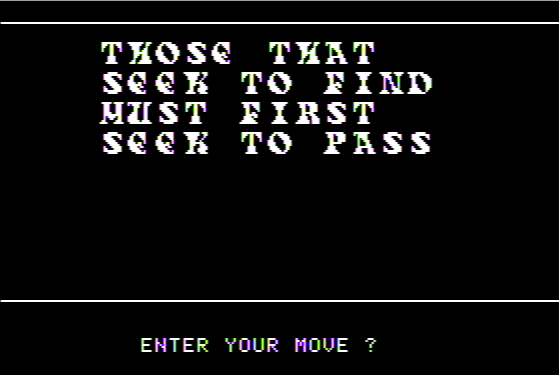
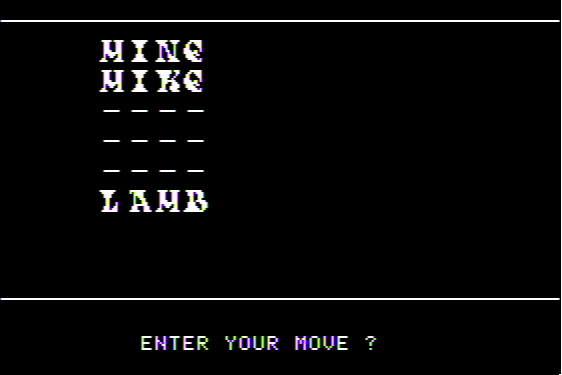
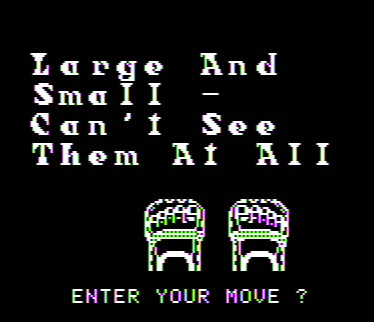
There definitely is some intentionality to the clue-placing — maybe not a lot, but some — because one dead-end had three messages that clearly linked together.
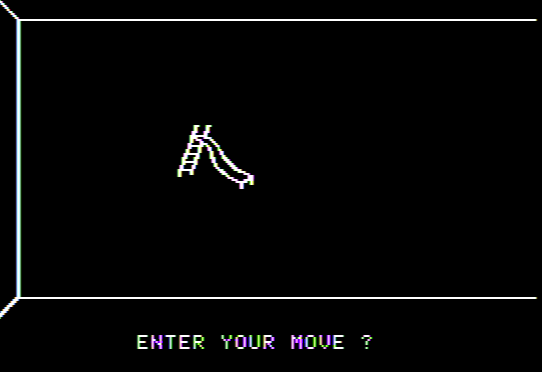
I’m guessing this is a meta-clue, essentially telling what the result will be when all the clues are put together; ex: “The First is Where I Live” giving a general location, “The Second Will Be Upon” being more specific. “And When I Get There I Will Watch Them Play” suggests the stone is hidden in a park, also suggested by this image:
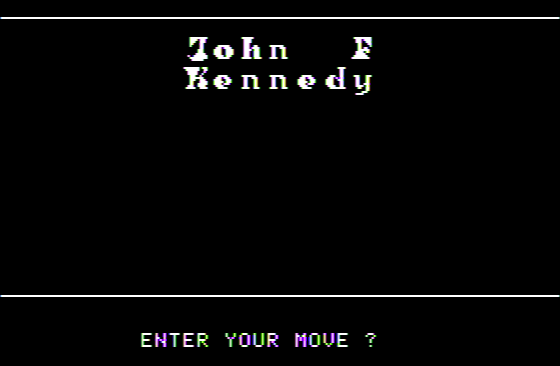
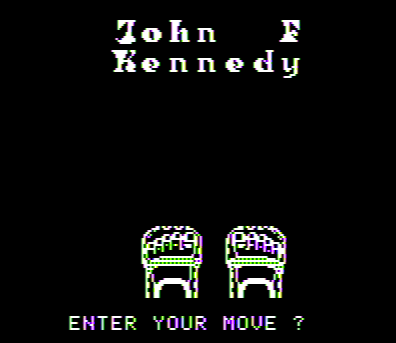
I found John F Kennedy a third time
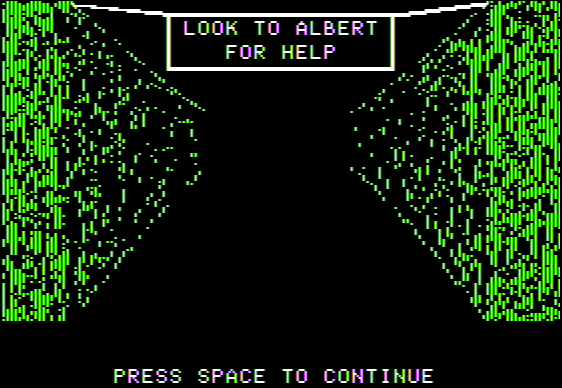
suggesting it either a number is repeated three times or it’s a very important clue. I’m going with the latter theory for the moment. If we combine with the “Look to Albert for Help” from the very start, I think Albert may be the one in Washington D.C.
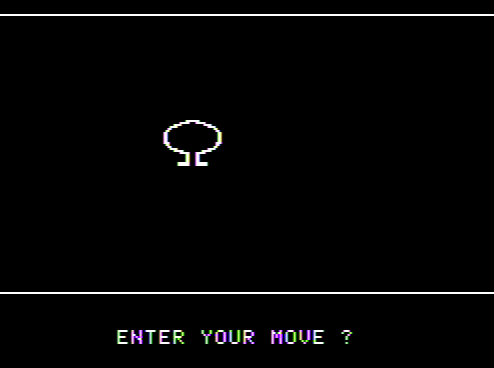
The podium and microphone (from my last post) suggest there may be a public speaking spot involved, perhaps a famous Kennedy speech location?
Here are the remainder of the clues I’ve found:
I’m ballparking based on clue density in places I’ve searched well that I have about half the clues in the game.
August of 1979 saw the release of Masquerade, a picture book that was also a puzzle with the solution being the location of a golden hare. It created both frenzy and scandal, but that is not our story for today.
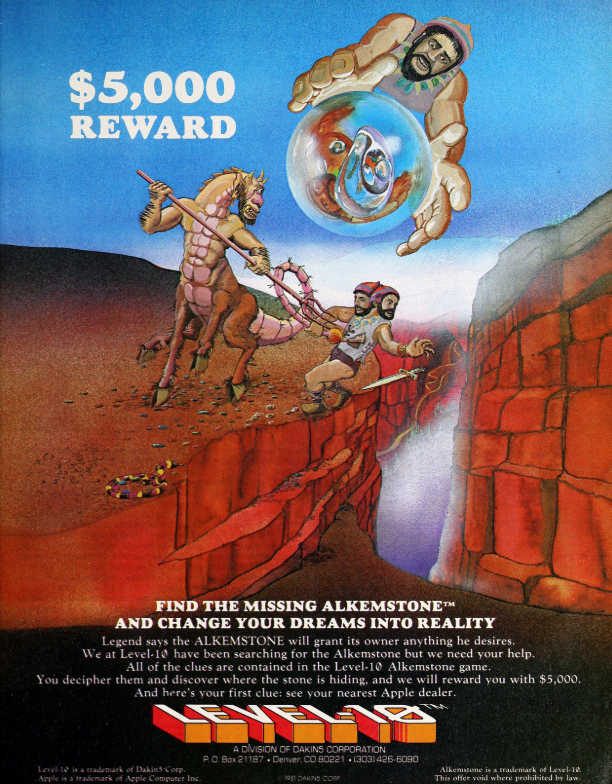
Two years later (before the Masquerade contest had even ended) a man named Gene Carr at a company called Level-10 made a treasure hunt of his own. Like Masquerade, it involved a treasure buried somewhere in the real world and clues to find it, but rather than hiding the clues in a book, he hid them in an Apple II game.
Via Old Video Game Advertisements. The prize was eventually upped to $7500, although the company Level-10 went defunct not long after.
There were two ways to win:
a.) Find and deliver the physical Alkemstone, and describe its location.
b.) Send a detailed description of the Alkemstone’s hiding place.
In other words, the treasure hidden 39 years ago is likely still in its original location, the hints locked in an Apple II game that barely anyone has played.
Wouldn’t it be interesting if someone got busy on an old copy of the game and found the stone?
nobody seems to have picked up the gauntlet.
The buck stops here. Let’s try to solve the mystery.
…
Now, this is rather different than my usual playthroughs for All the Adventures, insofar as the end result of all this may involve unearthing a real item. I do want to emphasize that the Alkemstone as an object in itself is not considered valuable (unlike the golden hare); the potential money came from proving where it was. Additionally, despite the lawyer still being alive, the company that offered the prize is long defunct. That means there’s no money at stake, just historical interest.
I will state up front if by some happenstance I come to possess the stone personally, I will donate it to a gaming museum like the Strong. In the (much likelier) event it lands in someone else’s hands I hope they do the same, but I can’t enforce that.
And of course, the Alkemstone may be buried under a parking lot or lost due to some other circumstance.
So feel free to contribute any theories as I post clues, but keep in mind the above caveats. I won’t say it will end in disappointment because even if the physical stone is never found, the solution to the game in general has been a long-open question and would be an achievement in itself; there’s no maps or hints or walkthrough here to rely on.
…
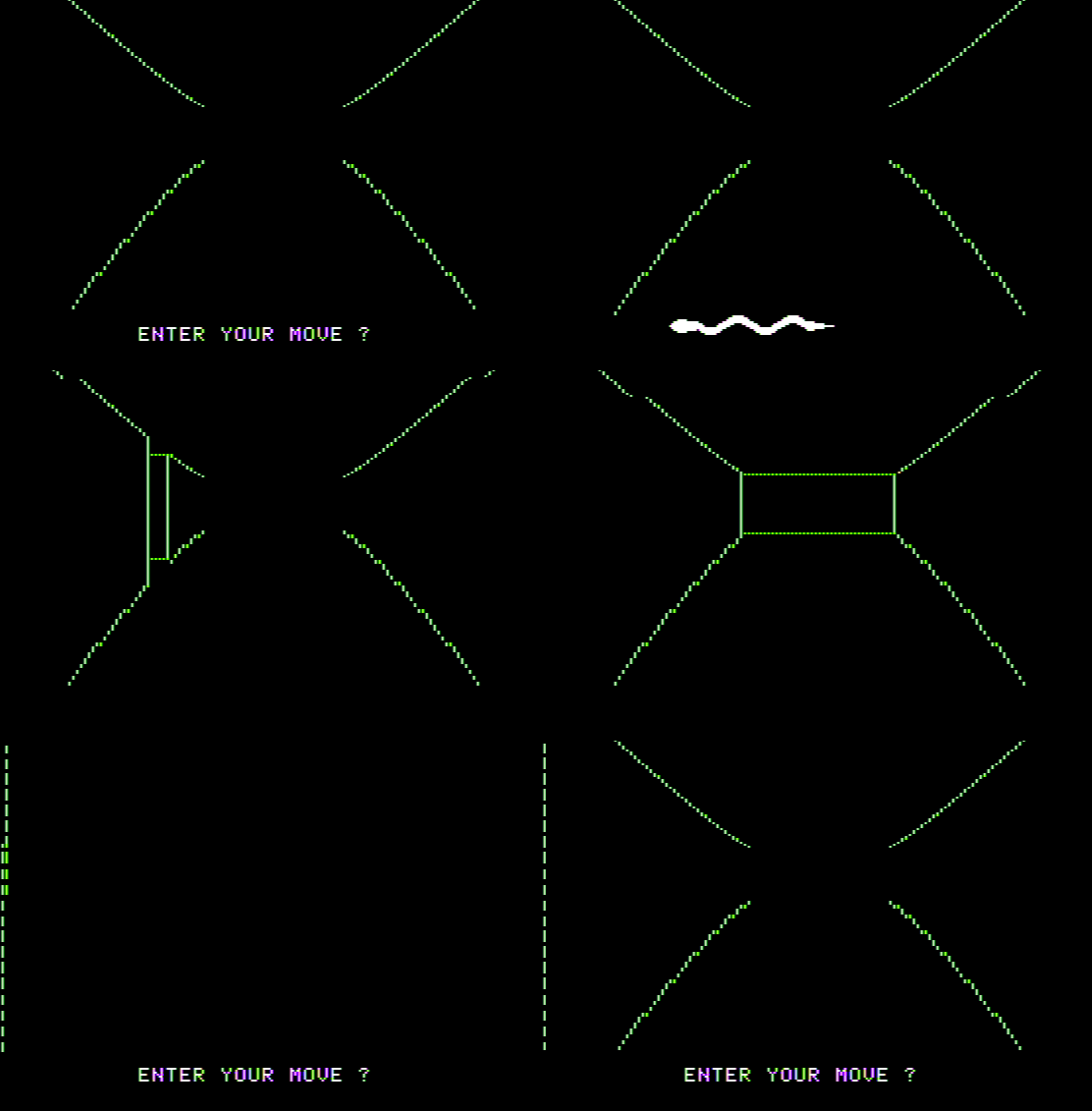
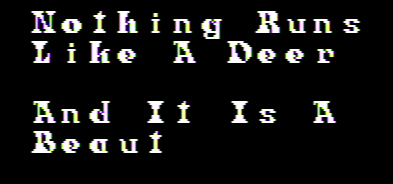
The first scene upon entering the maze; there’s no “hanging banners” style messages other than this one.
Enough preliminaries: what is the game like?
The snakes pass by at random.
Alkemstone adapts the 3D engine from Kaves of Karkhan into a pure-exploration game. There are no obstacles, unless you count illusionary walls and a very, very, large map.
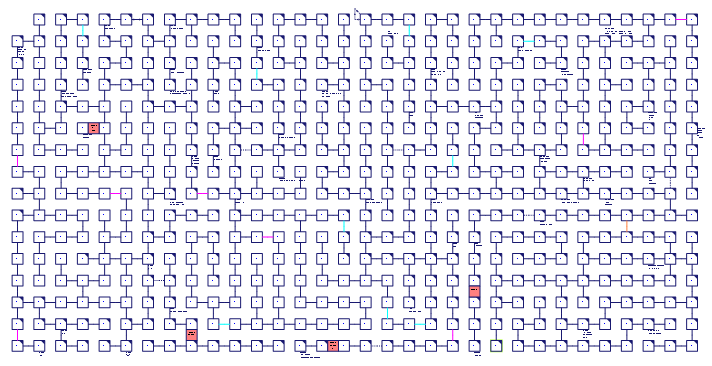
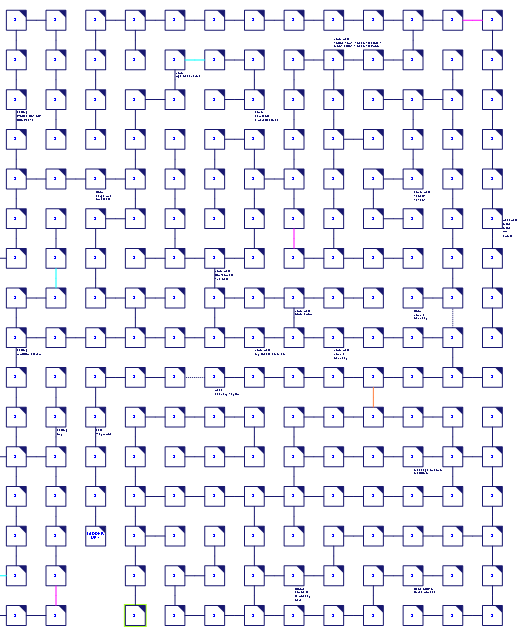
Around half of the map; I still need to fill in a lot of the other half.
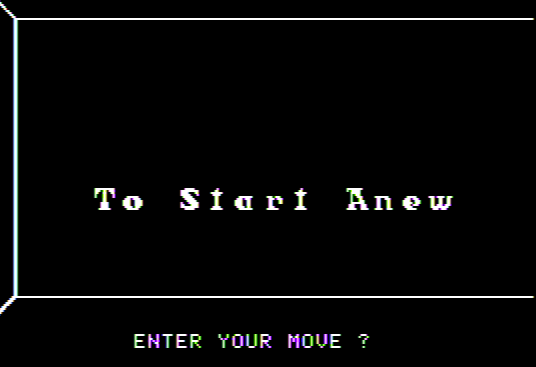
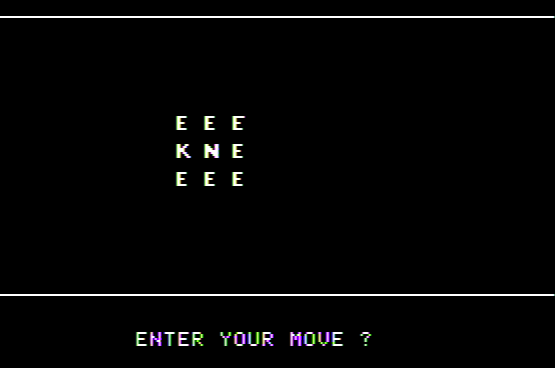
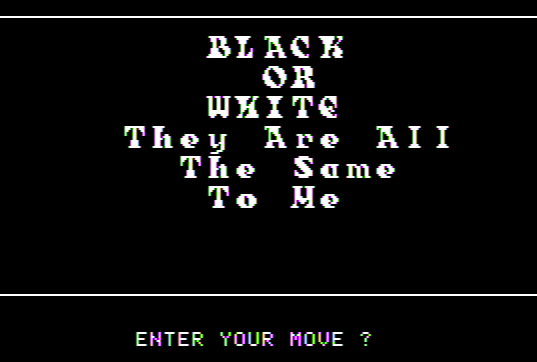
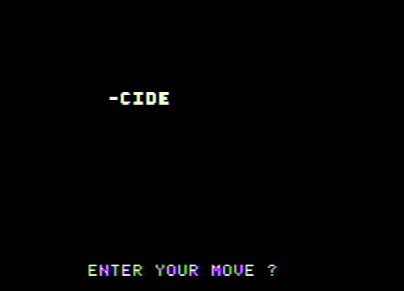
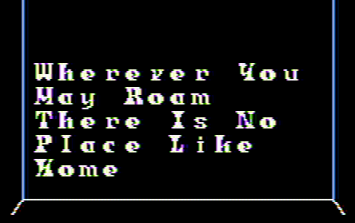
The maze is seeded with clues. You can find them on the walls
or you can find them looking up (tap U to look up)
or looking down (tap D to look down)
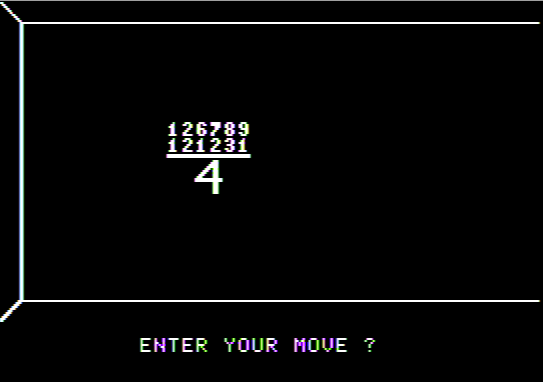
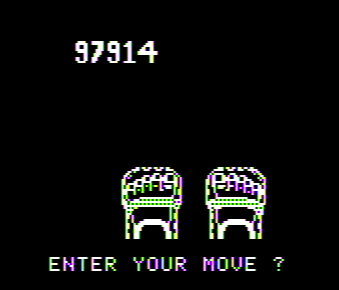
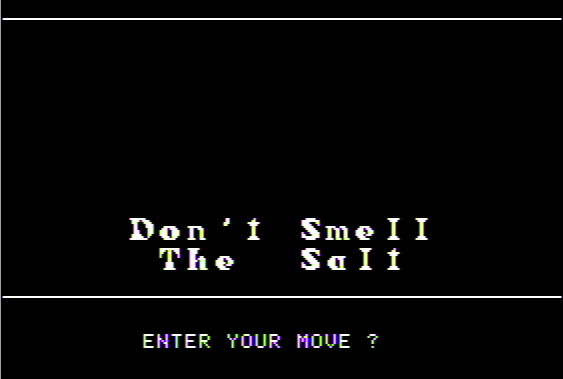
The clues are scattered everywhere; finding them all is partially a matter of just being thorough. Sometimes the clues are “solid” and will always appear, but sometimes they flash on and off, or only are visible 1 out of every 10 or so times looking at a particular ceiling. To give you an idea of how easy the clues are to miss: even though I have found 25 “clues” so far I am missing the two shown in screenshots on Mobygames.
I will say the maze is not randomized, and despite the manual’s claims to the contrary, the clue locations don’t seem to be randomized either. It’s still true more than one “walk through” is likely required to spot everything.
I’m going to try my best to sort the clues I’ve found so far by type, but these categories are arbitrary and may be misleading in terms of how the clues actually connect.
In case it’s important, I do have where I found them marked on my map, but I’d like to get my full map closer to completion before I share it.
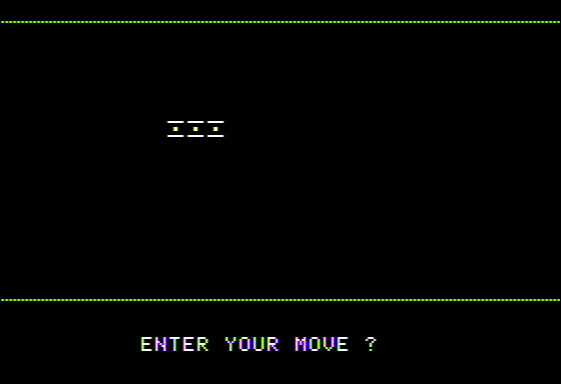
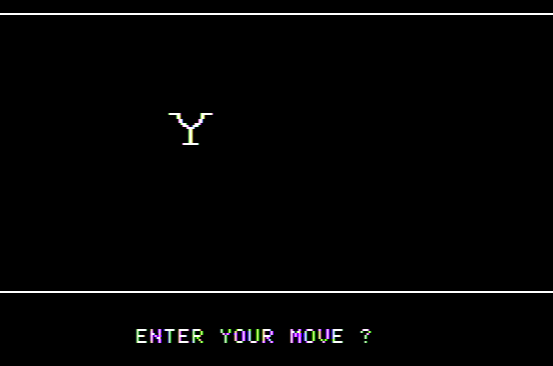
IMAGES AND SYMBOLS:
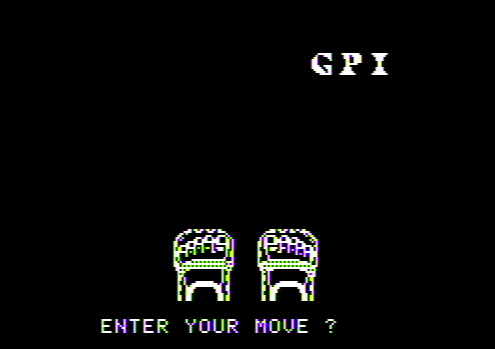
NUMERICAL CLUES:
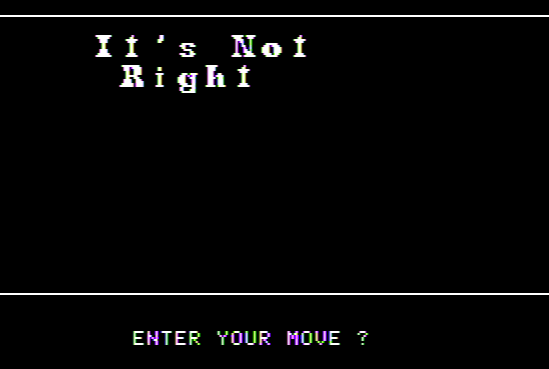
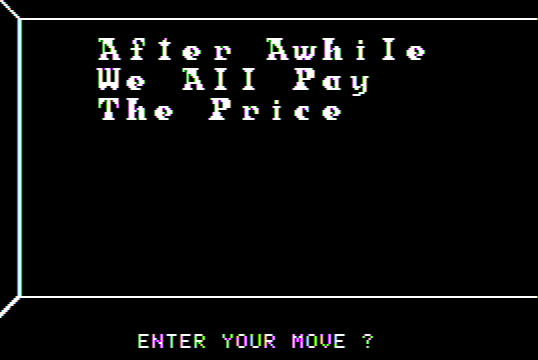
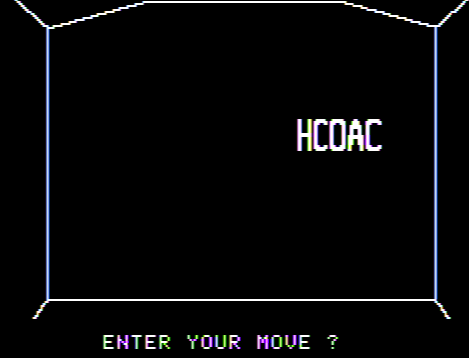
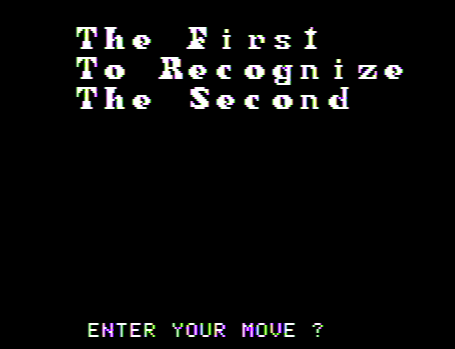
MESSAGES:
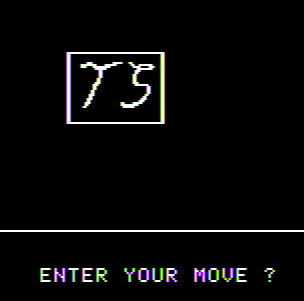
This image also appeared on a wall. I don’t know if the duplication is redundancy to help keep from missing certain things or a clue.
While there are some obvious surface observations I could make, I’m going to save them for the comments. Just keep in mind the game was released in 1981 (late in 1981; the Nov-Dec 1981 issue of Computer Gaming World mentions it will be available by Christmas, and it has a trademark filing of November 12) so any events or media references to works 1982 or later won’t apply.
There is an online version of the game available, except it gets stalled when asking to flip the disk. There might be a button press in the emulator that will work, but I wasn’t able to play any further.
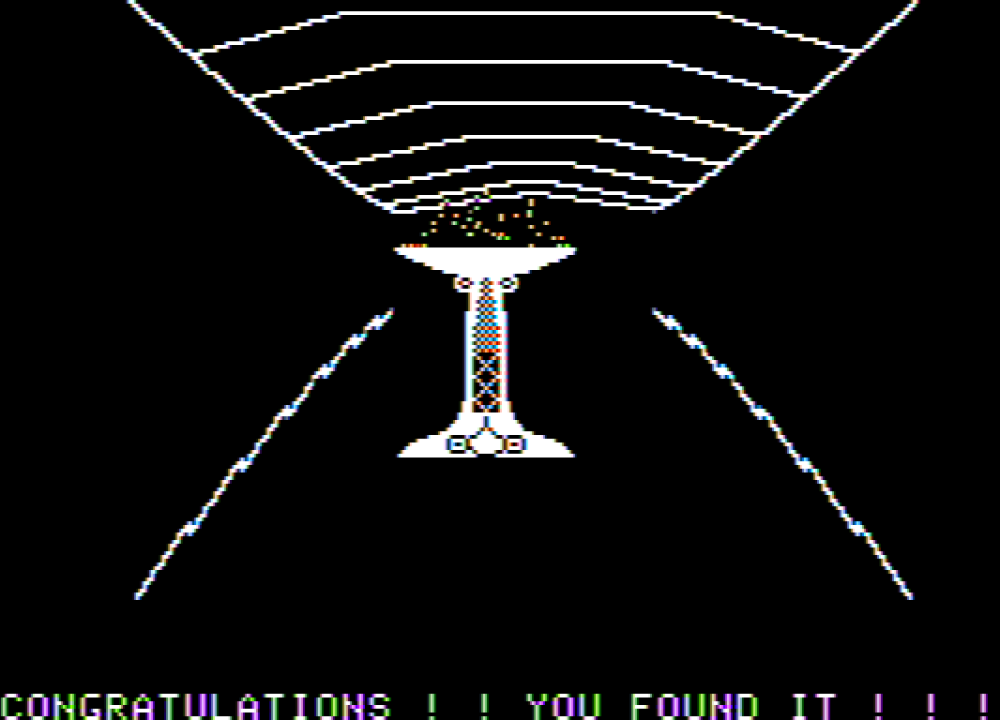
I wish I could say I had some grand strategy, but I pretty much just grinded until the game decided to show me a win screen.
The only thing I did do extra (and I’m unclear if this is really helpful) is I tried my best to go up rather than down. I used ladders and up-stairs when I saw them, but avoided holes in the ground and down-stairs when possible (it wasn’t always possible).
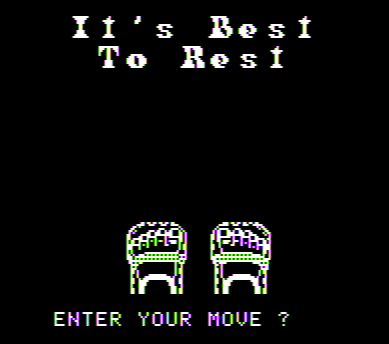
I honestly suspect the bier (the place where a coffin is placed before being taken to a grave, although it doesn’t look like that from the picture) might just pop up randomly when you’re far enough in the game.
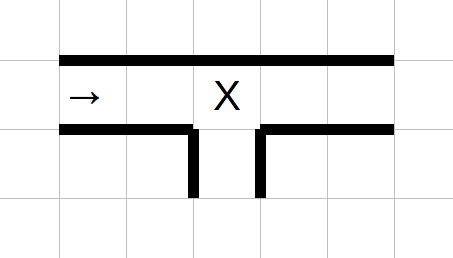
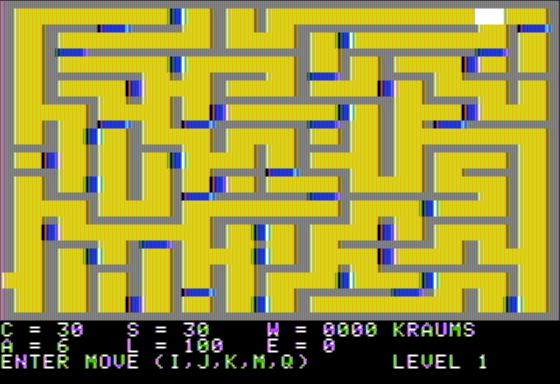
I did make some honest attempts at mapping, and it helped a little at the local level; within a particular area the level is at least somewhat consistent, and it’s possible to systematically eliminate corridors as you test them. One thing I only discovered very late is that encounters “eat up” the square of the map you enter, so if you successfully do an encounter, you “jump” to the next square. That means you may entirely miss a side path that would normally be in that square and you’ll only see the path if you turn back.
Above is a typical configuration. I was going “east” and I hit the spot marked “X” and there was a river of blood I used a plank to get by. In the process, I missed seeing the passage that went “south” and had to turn around and enter the X position to find it. It’s possible to “skip” the intersection multiple times if you keep finding encounters there.
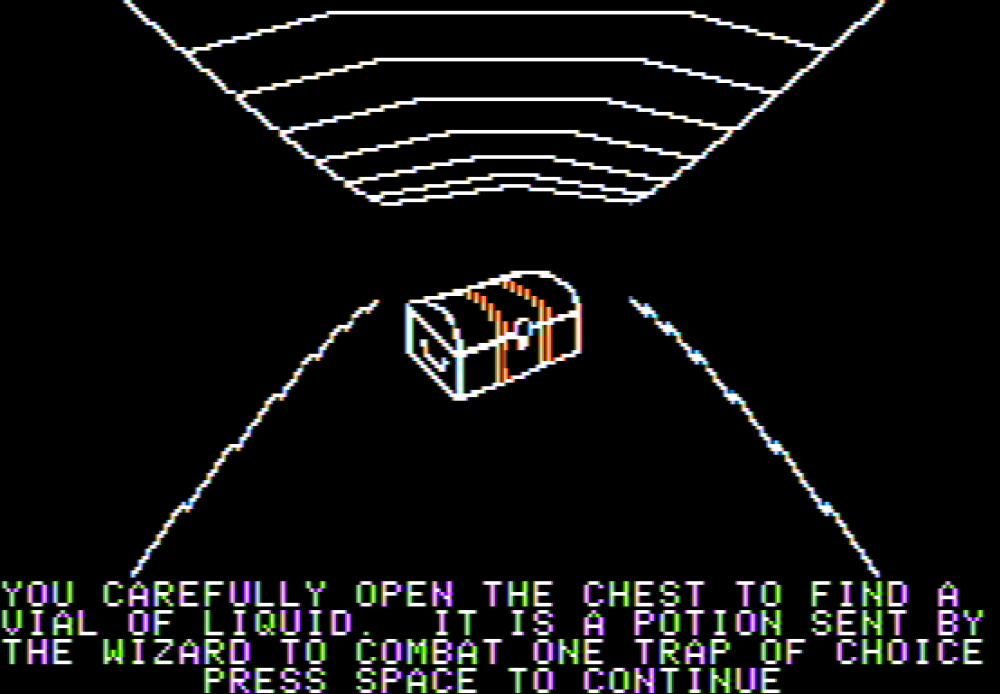
One last discovery I made was regarding chests. I hadn’t been able to interact with them (“OPEN CHEST” didn’t work, and trying to use my thief or a hammer or anything like that led to nothing happening). I finally discovered just OPEN by itself works.
Another episode of Great Moments in Game Parser History.
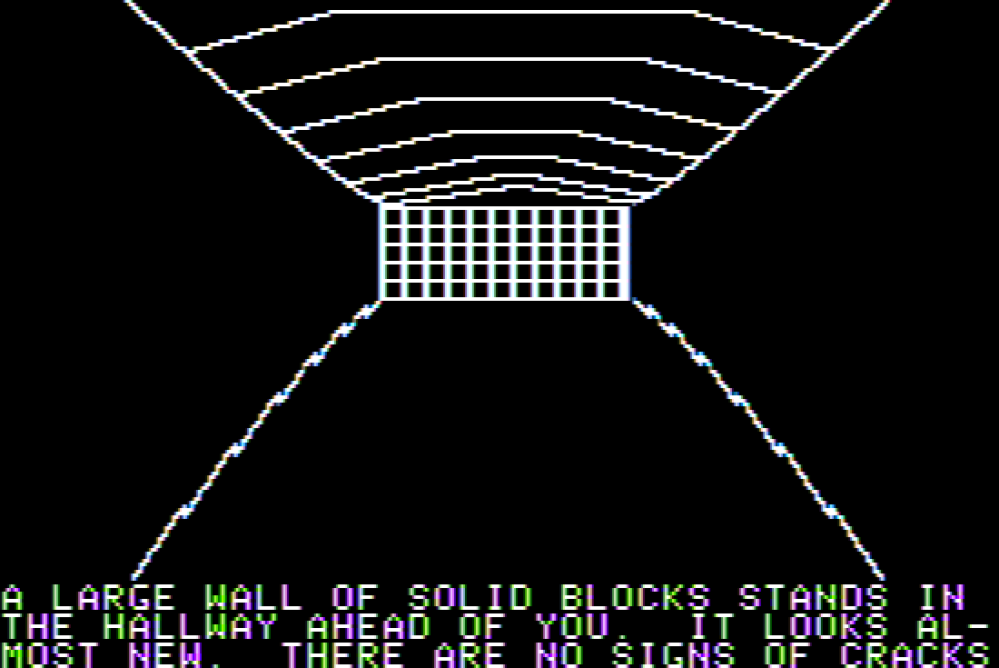
Unfortunately, I discovered this when I nearly was at the end, too late to be useful; I had a method past every obstacle except, of all things, a walled-up corridor.
You’d think a hammer would help here, but no.
…
Just for reference, the only other games I’ve hit in my sequence so far I’d call roguelike-adventures are Mines and Lugi. While Kaves of Karkhan was bad for personal enjoyment, it’s still fascinating as an artifact of design. Some of the elements — like having a limited subset of available items, and randomized puzzle placement but consistent solutions — seem like they’d make a roguelike-adventure a success, but they fell down hard here.
First, keeping track of 10 characters and 10 items was excessive. It made getting used to the environment rough, and I only felt comfortable after about two hours of gameplay.
Second, it makes for overly simplistic gameplay when each puzzle boils down to finding the right object or character. This is similar to my complaints with Devil’s Palace and The Poseidon Adventure where the authors try for higher difficulty without an adequately complex world modeling system to match. By contrast, Lugi had some persistent effects (like being infected) and puzzles that needed to be solved with objects in combination.
Third, the map was too random to use geography in any rational way. To compare with Lugi again, in that game it was possible to encounter a puzzle in one location, find a helpful object in another, then loop back to the original location to solve it.
Fourth, the punishment of losing objects or characters for failed puzzle attempts was too harsh in context, and it was impossible to reliably survive a loss of resources without already knowing how to solve most of the puzzles.
Fifth, having almost no items found during the process of the game undercuts a lot of what makes an adventure game fun (having an adventure game without the ability to “increase power” with new discoveries is akin to an CRPG that doesn’t let you level up your character). Even an essentially item-less game like Myst at least contains a steady drip of new information and clues.
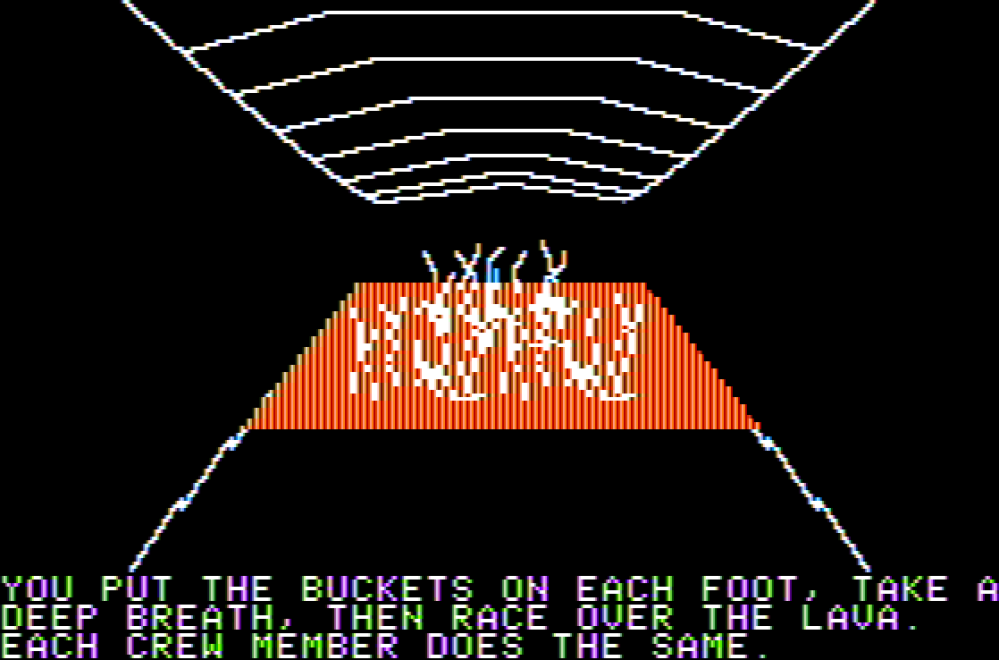
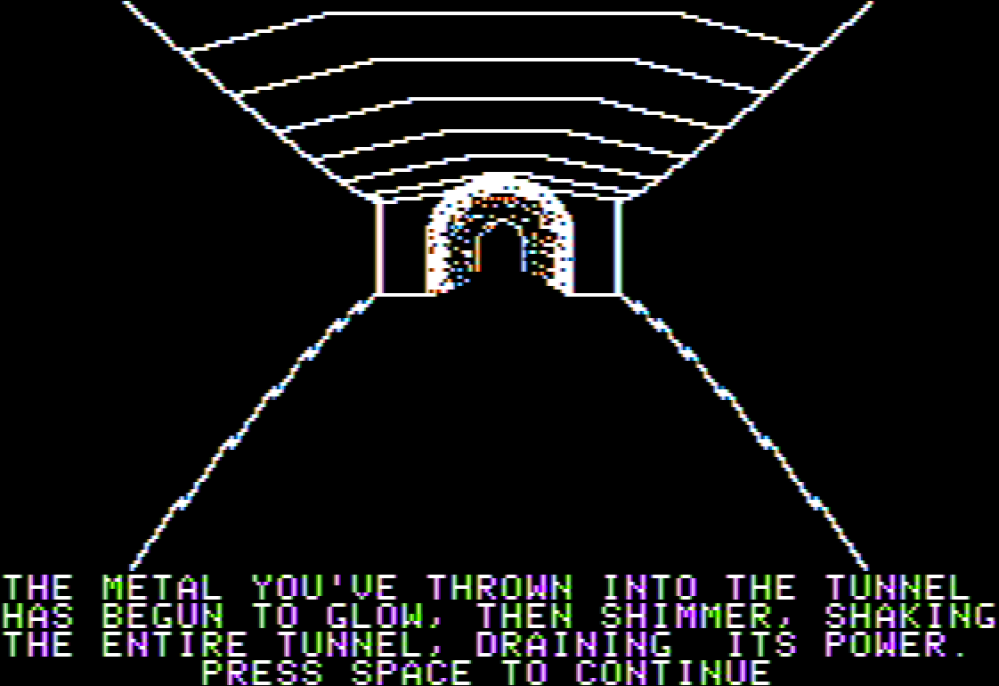
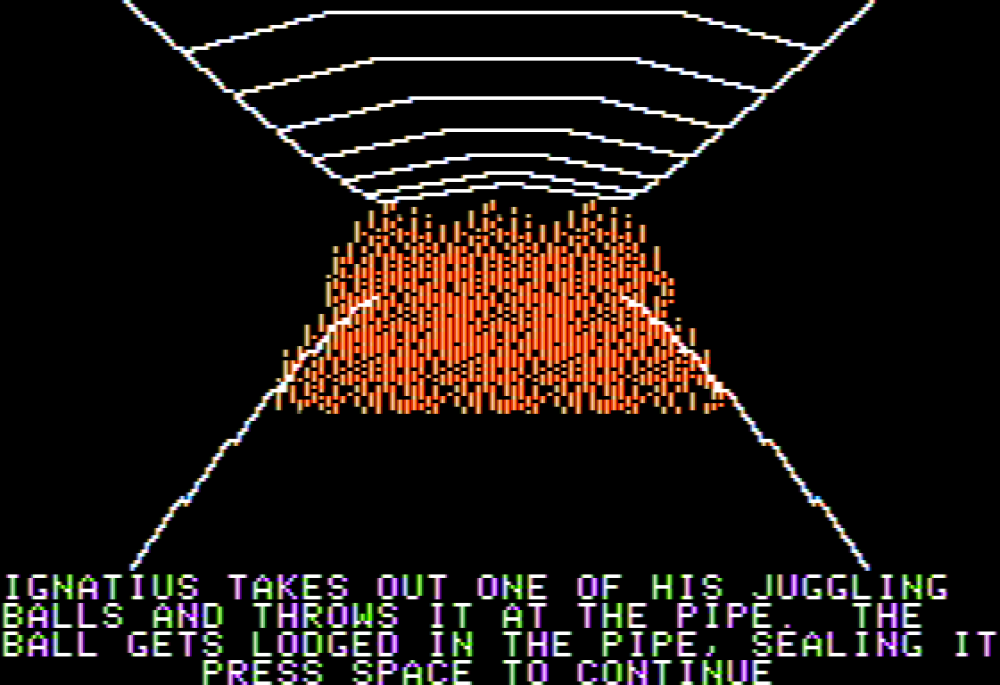
The only immediate “fix” I could see that would help the game without more extensive design changes would be to allow a lot more alternate solutions. As things stood I was jamming pipes with juggling balls and walking on lava with buckets, and not because I was being creative; they were the only solutions I could find via brute force testing everything I had.
We’re going to have at least one more adventure-roguelike in 1981 — Madness and the Minotaur — at which point I’ll try a grand recap and armchair design of How to Make Such a Thing Work (or possibly, instead, a cautionary warning that such experiments are best left in the early 80s).
Long before we get to that, we have another game from Level-10 that re-uses their 3D engine for a much different game; one only comparable to a handful of computer games across history, and with a mystery that has never been solved.
Five years ago when I was writing about Treasure Hunt (1978) I remarked on a lack of deviation from adventure-genre norms; the Crowther/Woods version of adventure was essentially so good (and already in computer form) that most that immediately followed just copied the model, rather than approach their own way.
CRPGs, by contrast, were trying to adapt a tabletop game, and it wasn’t terribly obvious what form an adaptation would look like, so there were lots of early experiments.
Kaves of Karkhan feels like a game from a parallel universe where the standard text adventure format never dominated. I reckon the reason why it exists in the first place is that it comes from a series which started with a CRPG: Dragon Fire (1981), which was covered by The CRPG Addict in detail here.
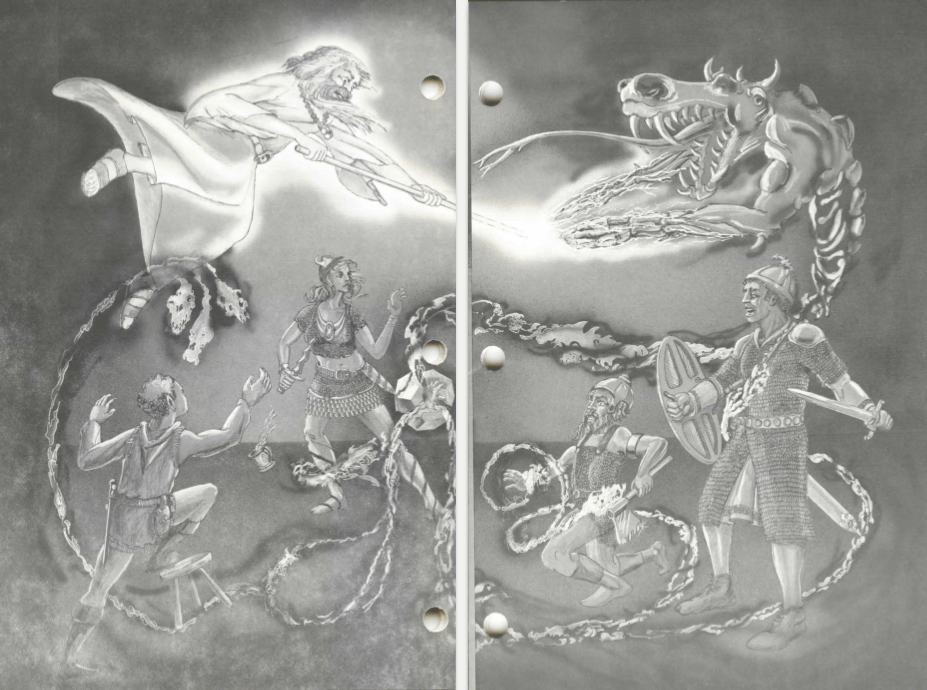
According to the manual, the second game, Kaves of Karkhan, uses the same characters as the first: an unnamed warrior, dwarf, huntress, and elf. (The first game had a wizard but you can’t control him in this game for reasons you’ll see in a moment.) The manual tries hard to build lore around these characters, even though they are unnamed:
There is little traveling in this time before the harvest, and a new face arouses much suspicion. Some say the barbarian seeks revenge upon a man with a quarter-moon scar on his left cheek. Others say he’s a professional bandit specializing In the exotic: the left hoof of the centaur, the lost crown of the Faerie King, the eye of the stingbat, and the like. And still others say he seeks to give up his present occupation as fighting man and find something more peaceful, perhaps as an artisan’s or baker’s apprentice. A few insist he flees memories of a lost love.
The story starts directly after the first, where the party defeated an evil dragon and received bucketloads of treasure. The dwarf is busy showing off in a tavern, including a jewel he found “outside one of the rooms on the third level”.
A hairline fracture suddenly appeared in the jewel’s surface.
The dwarf leaned forward anxiously. The crack seemed to be branching off, dividing, but silently. He was amazed. His jewel was crumbling right before his very eyes, but completely without sound.
A shadow suddenly obscured the crack. The dwarf looked up, but there was no one standing over him. He looked down and the shadow was still there, in fact had spread; the shadow crept across the surface of the jewel as If it were liquid. Upon closer examination the dwarf could see that the shadow had issued from the crack.
The gem was a container for a demon named Maldameke who is now breaking free. The wizard manages to contain the demon, for now
“Take the jewel . . . the pieces . . . return them . . . to Maldamere’s home … the bier … the top of the mountain … even one piece … will draw him … back there … trap him … in the Kaves of Karkhanl Hurry! Hurry! Cannot … hold him … long … but beware … beware … his influence … is still … felt … in those underground … realms … “
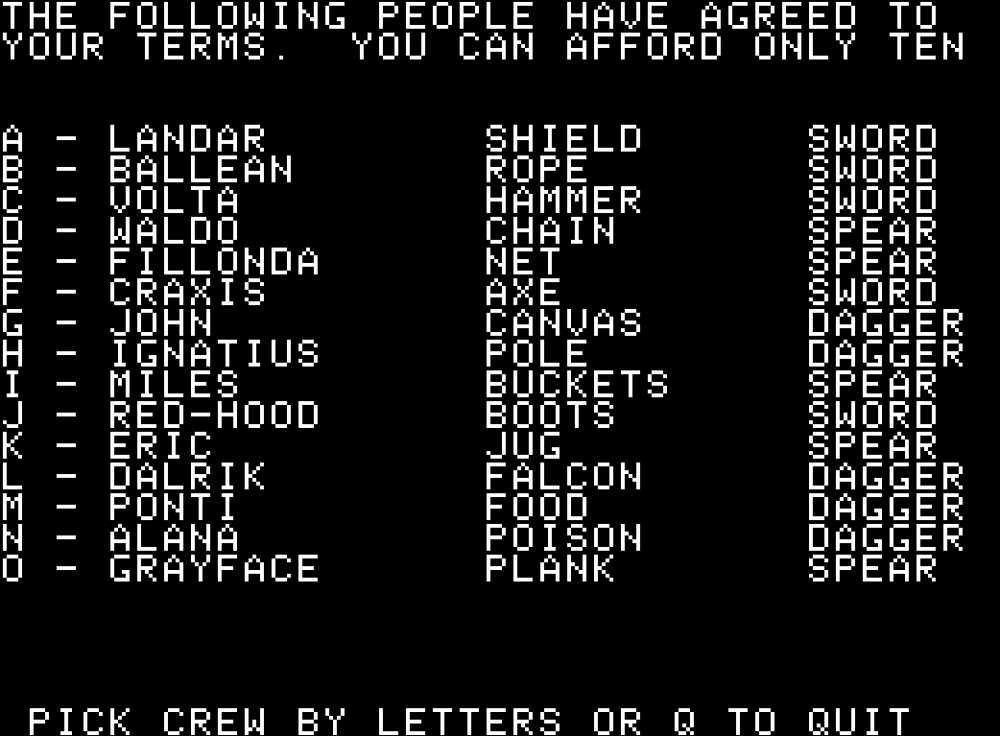
but the rest of the party now needs to “find your way through the maze of hallways within the crags of Karkhan, solve the traps, and then deliver your piece of the gem into the bier at the top of the mountain”. Each of the four original characters (warrior, dwarf, huntress, elf) picks a team to take along. In actual gameplay, I found no difference between the choice of main character (and you have no interaction with the characters you don’t pick), so the “team” is what’s important.
Yes, ten characters, and you need to keep track of their names and occupations (only in the manual). I used a spreadsheet.
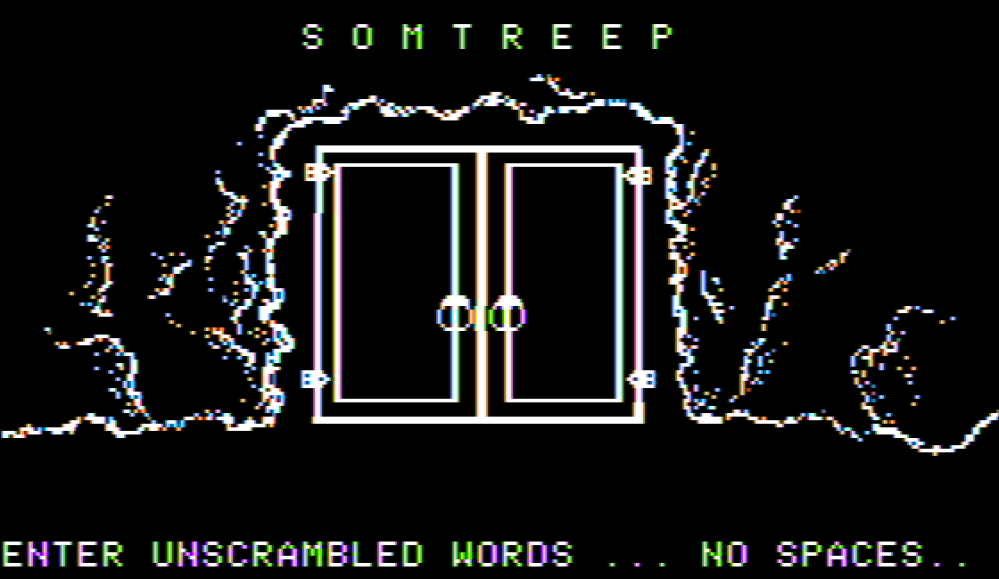
After starting the game, you are told to open the entry doors you must solve an anagram.
It’s always two four-letter words jumbled together, but the words used are random from a fixed list. This one was STEMROPE. There’s lots more valid two word combinations here (like MORESTEP or MOSTPEER) but none of them work.
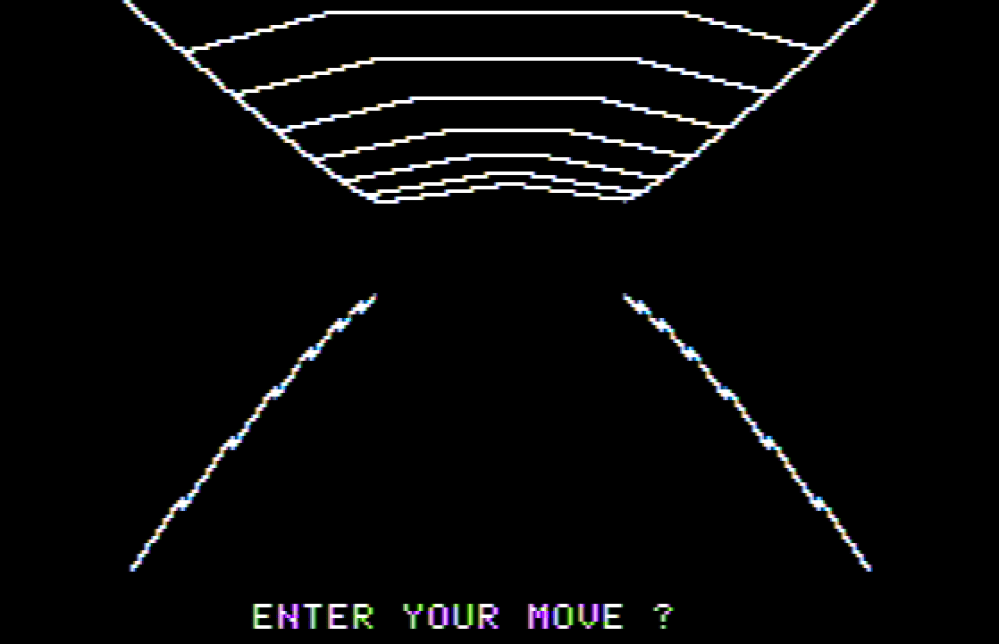
Then you’re dropped into a randomly generated first-person perspective, and the pain begins.
This incidentally means Kaves of Karkhan is the first 3D-perspective adventure by someone other than Med Systems.
The game moves sluggishly (especially at authentic 1981 Apple II speeds!) and the maze is so random it seems to have no logic at all. You can go down a dead-end hallway only to turn around and find a stairway up has appeared.
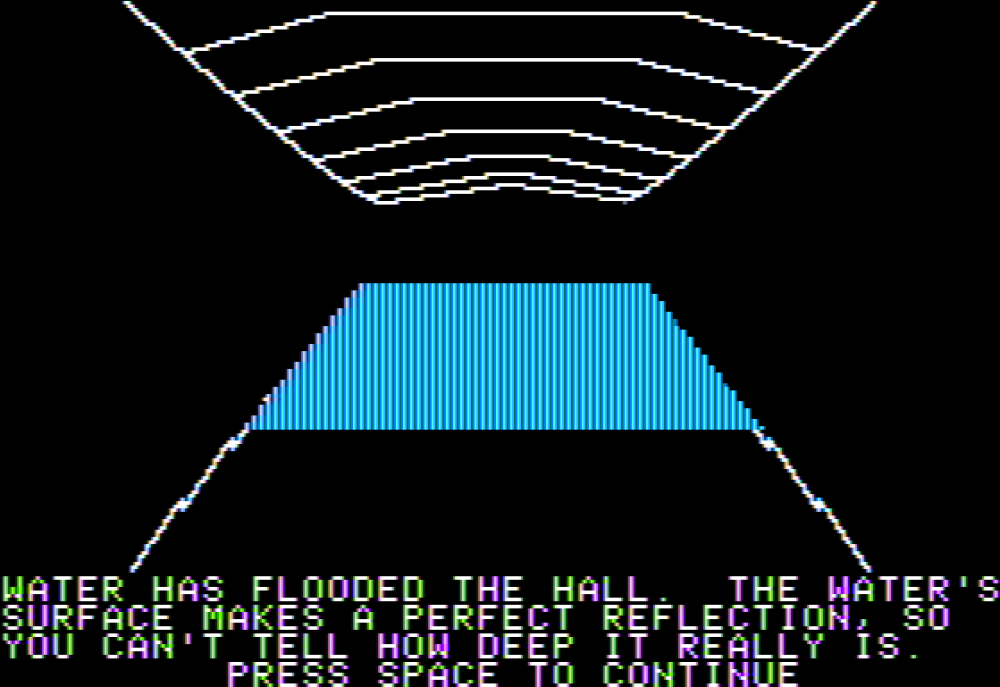
The main “gameplay” is a set of randomly appearing traps and encounters, and again, there seems to be no logic to their placement or appearance. A hall with a chasm one moment might turn into quicksand in another. (Only after defeating the obstacle the first time, though — you can’t switch which obstacle you’re looking at just by going back and forth.)
In order to get by an obstacle, you have to type a two-word command. Most of the time it’s USE (character) or USE (item) although there are a few exceptions. Quite often you can lose an item or die by getting it wrong; here’s a transcript of the water obstacle above.
?USE PLANK
NOTHING HAPPENS
?USE NET
NOTHING HAPPENS
?USE BUCKETS
NOTHING HAPPENS
?THROW PLANK
NOTHING HAPPENS
?USE ALANA
ALANA WAS JUST KILLED BY THE WATER
?USE JUG
YOU THROW THE JUG IN. IT FLOATS! EACH CREW MEMBER USES IT IN TURN TO CROSS THE WATER. ALL GETTING QUITE WET.
Alana was my (now-expired) sorceress. I quite often would burn through my entire party (ending the game) while trying to get by a single obstacle.
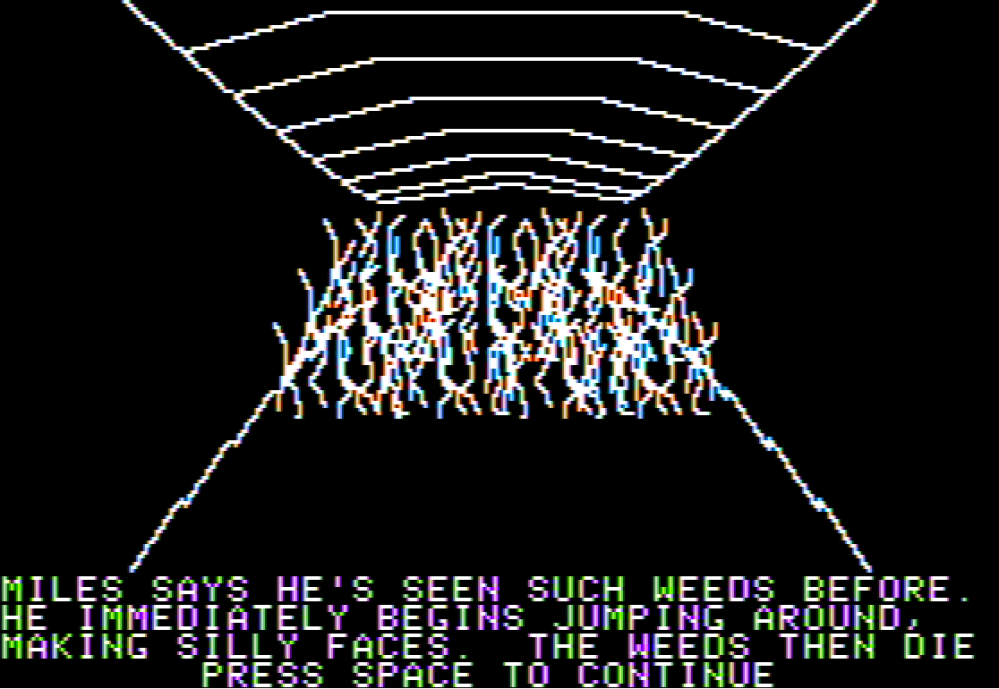
Occasionally there is enough logic to passing an obstacle that I was able to do it first try; when encountering some weeds I tried USE MILES, my farmer…
…but for the most part, on each obstacle, I had to lawnmower down through my entire list of available objects and people.
Here I am getting by a mystic portal by using THROW BUCKET.
While there are some multiple solutions to puzzles (THROW SWORD also works on the above puzzle), I knew if I lost a character or item I could potentially get stuck, so I made generous use of save-states while I took notes on how to defeat each obstacle. My “favorite” piece of absurdity was using my acrobat to defeat a lake of fire.
Oh yes, the game is timed. If you switch emulator speed to “fastest” in order to avoid sluggish walking you get an immediate game over.
I’ve yet to beat the game — I keep wandering the maze in circles — and I may soon just call this one finished. I will still make one more post, because this game represents another stab at the ultra-rare adventure-roguelike genre (where puzzles form the primary gameplay, yet the environment is still highly generative).
…
I don’t know who to credit for this game other than the company (Level-10). The previous game in the series (Dragon Fire) was made by Rodney Nelsen. The follow-up game (which we’ll get to next, but is very different) was made by Gene Carr. I think it more likely Gene Carr was the author of Kaves (the 3D engine was in the latter game but not the former); however, at the moment I have no proof.
The one person involved with all three games was Steve Rasnic Tem, who did the manuals. At least with Kaves, the backstory is stronger than the game itself! Steve Tem later went on to write quite a few books and win a World Fantasy Award for a novella he co-wrote with his wife, Melanie Tem.
Here’s one last excerpt from the manual to close things out, for now:
Looking around him, once again the dwarf felt vaguely puzzled by the variety of types in the human community. No other race to his knowledge possessed such a range. Packed elbow-to-elbow in the tavern’s central room he could see a skinny youth carrying a rope looped over his shoulders, a short man carrying three companions twice his size, a tall man with his face covered by gray gauze — all shapes and sizes of humanity. The dwarf wondered how humans must keep track of them all; it seemed very confusing to him.















 Renga in Blue